Story / 2011–2014
Five experiments toward a spatial camera
From 2011 to 2014, five RGB+D experiments took place in a subway station, on film sets, at Art Hack Day, and inside a public photobooth.
Five experiments / One changing camera
Our first RGB+D images carried the roughness of improvised rigs and single-purpose experiments. Geometry broke open around people, and surfaces became holes. The broken image exposed the limits of the system and left the camera position open after the event.
01 / 2011–2012
Depth Editor Debug
Machine vision as photographic material.
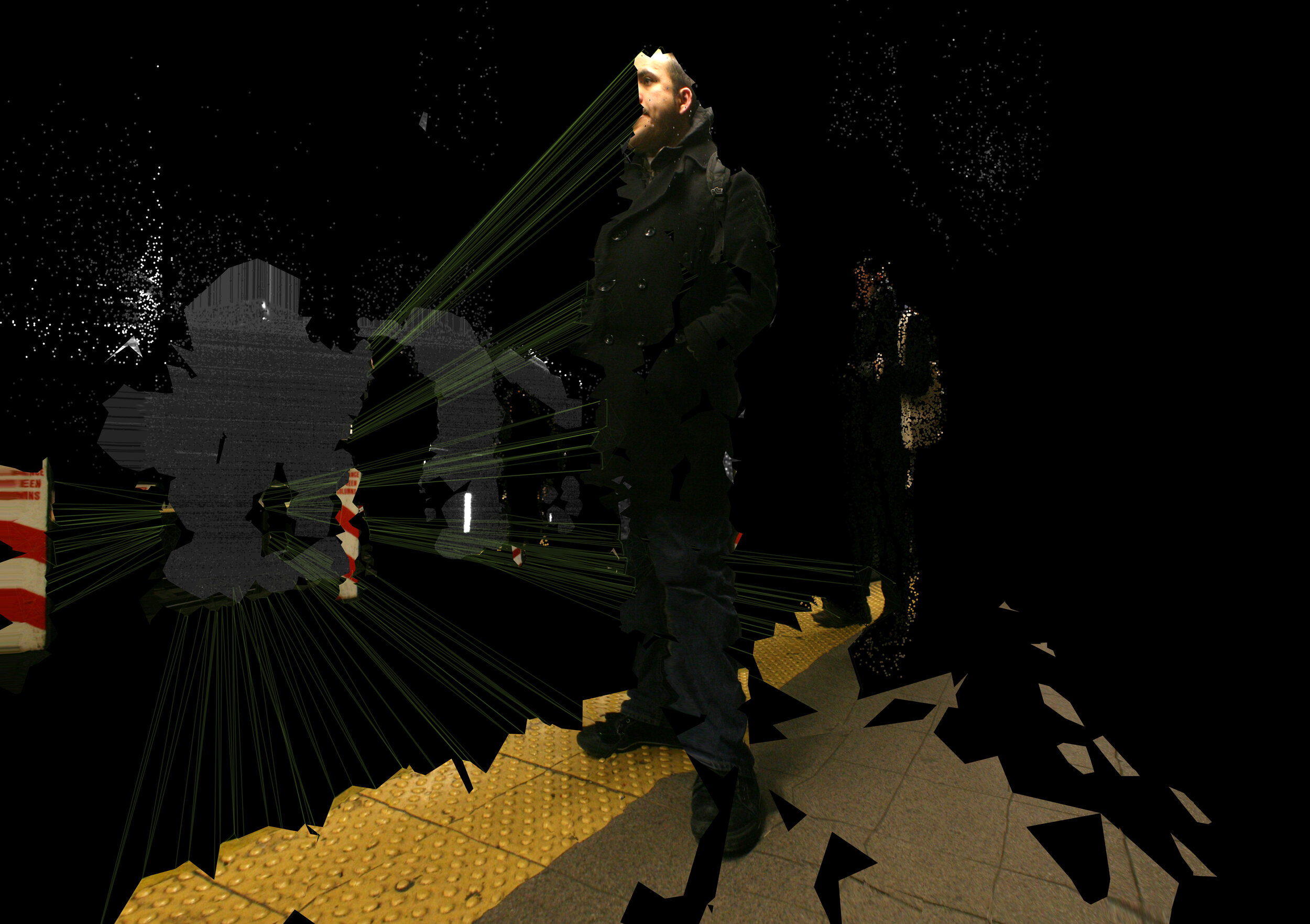
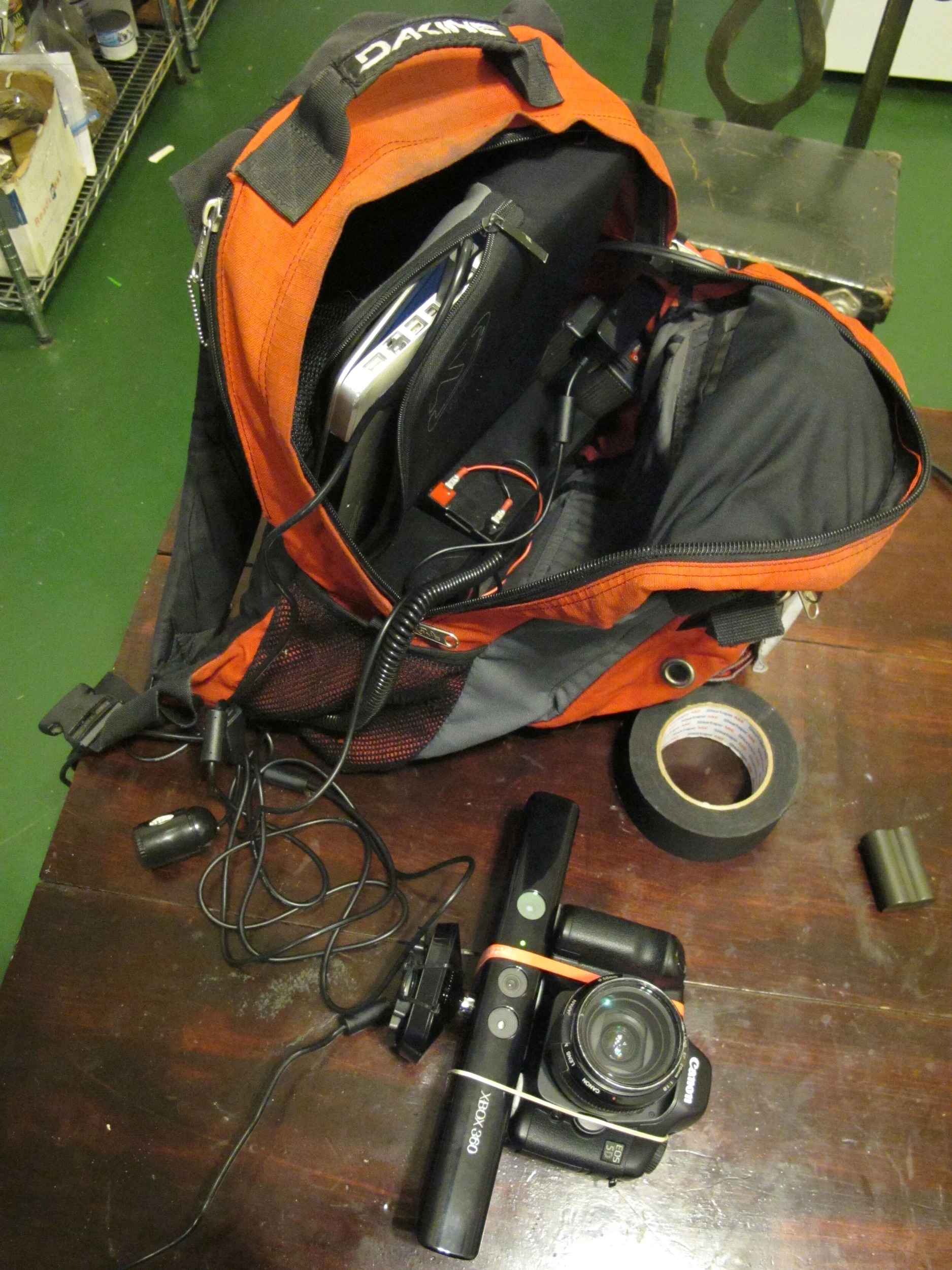
James George and I built a mobile rig from a Kinect, a Canon 5D, a laptop, an inverter, and motorcycle batteries, then carried it through Union Square subway station. The resulting photographs imagine the station through a failed Lockheed Martin surveillance system. Pedestrians appear as partial bodies stretched through space, and the camera's uncertainty becomes part of the portrait.
We preserved the disagreement between two imperfect forms of sight and used it as photographic material.
02 / 2011–2013
The Drowning Of Echo
Depth as cinematic space.
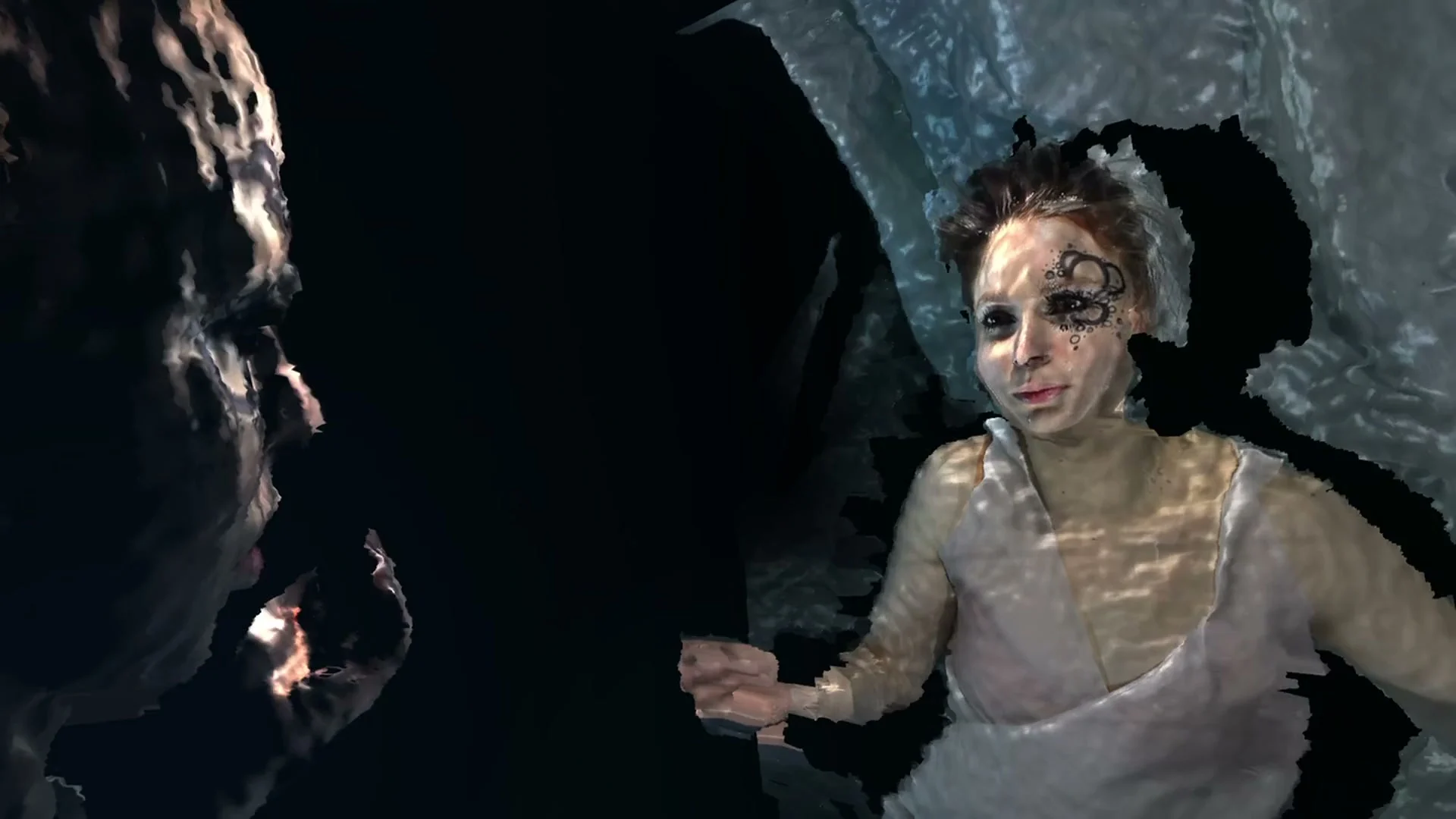
The Drowning of Echo extended RGB+D capture into a time-based work. James and I used the system to interpret Echo and Narcissus, filming portions of the performance through shallow water and developing specular relighting and crepuscular effects inside the image.
After capture, depth let us relight and distort the scene over time while the recorded body kept its instability.
03 / 2012
No Clipping
A virtual camera after the event.
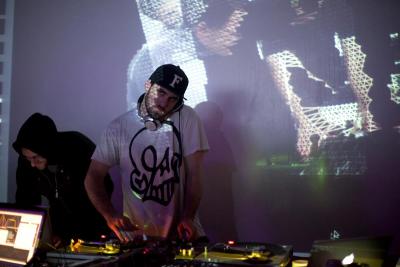
Made with James George and Pær Svn during Art Hack Day at 319 Scholes, No Clipping documented the event while it was still unfolding. The team recorded participants with a mobile Xtion PRO depth sensor and DSLR, then stitched the footage into a film that premiered that evening on Big Screen Plaza while we performed the data live on stage.
The point-cloud recording let us reposition a virtual camera after capture, including moving through walls. We recorded the event, then entered it again that night to find viewpoints that had never existed on site.
04 / 2013
Wake Me When It's Better
Capture as public ritual.
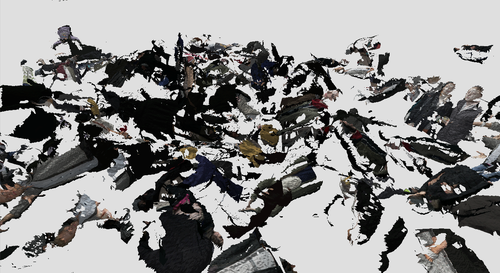
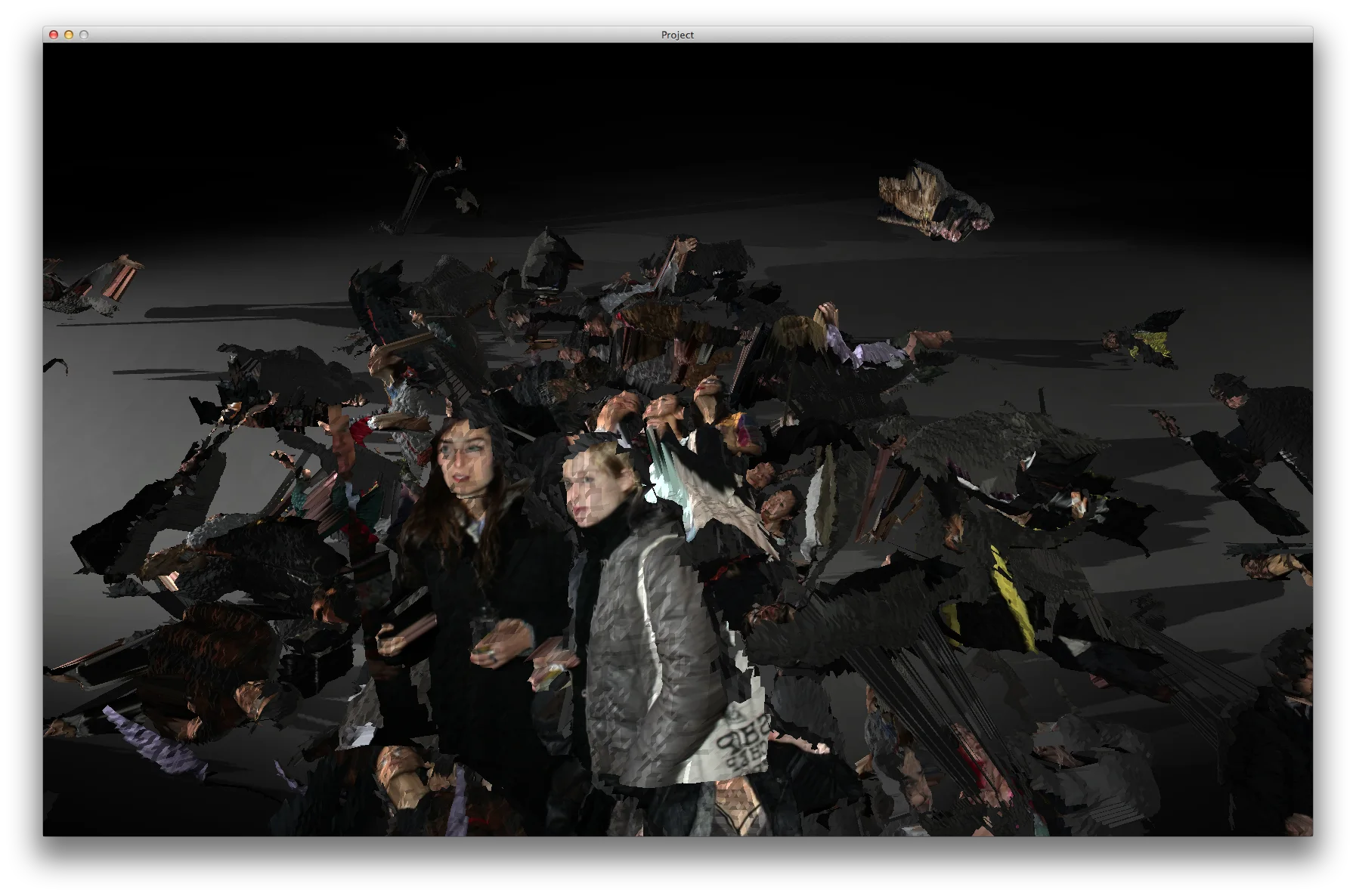
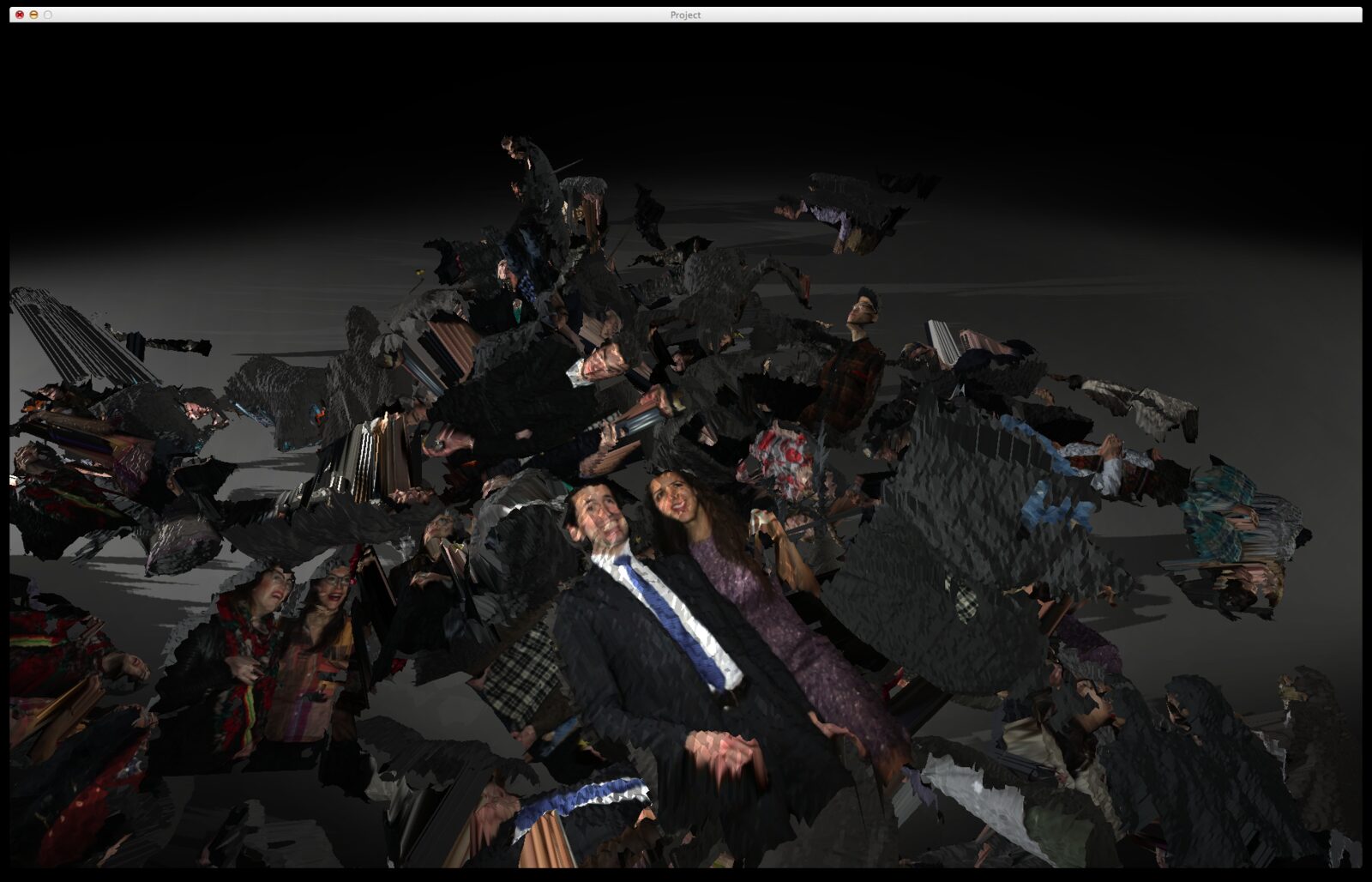
Wake Me When It's Better was a cryogenic photobooth made with James for the “God Mode” Art Hack Day. Visitors stepped into the rig and left behind imperfect three-dimensional copies in a disorganized digital archive.
The booth filled a disorganized archive with failed likenesses that worked as portraits.
05 / 2013–2014
Eden 2045
Memory as a three-dimensional scene.
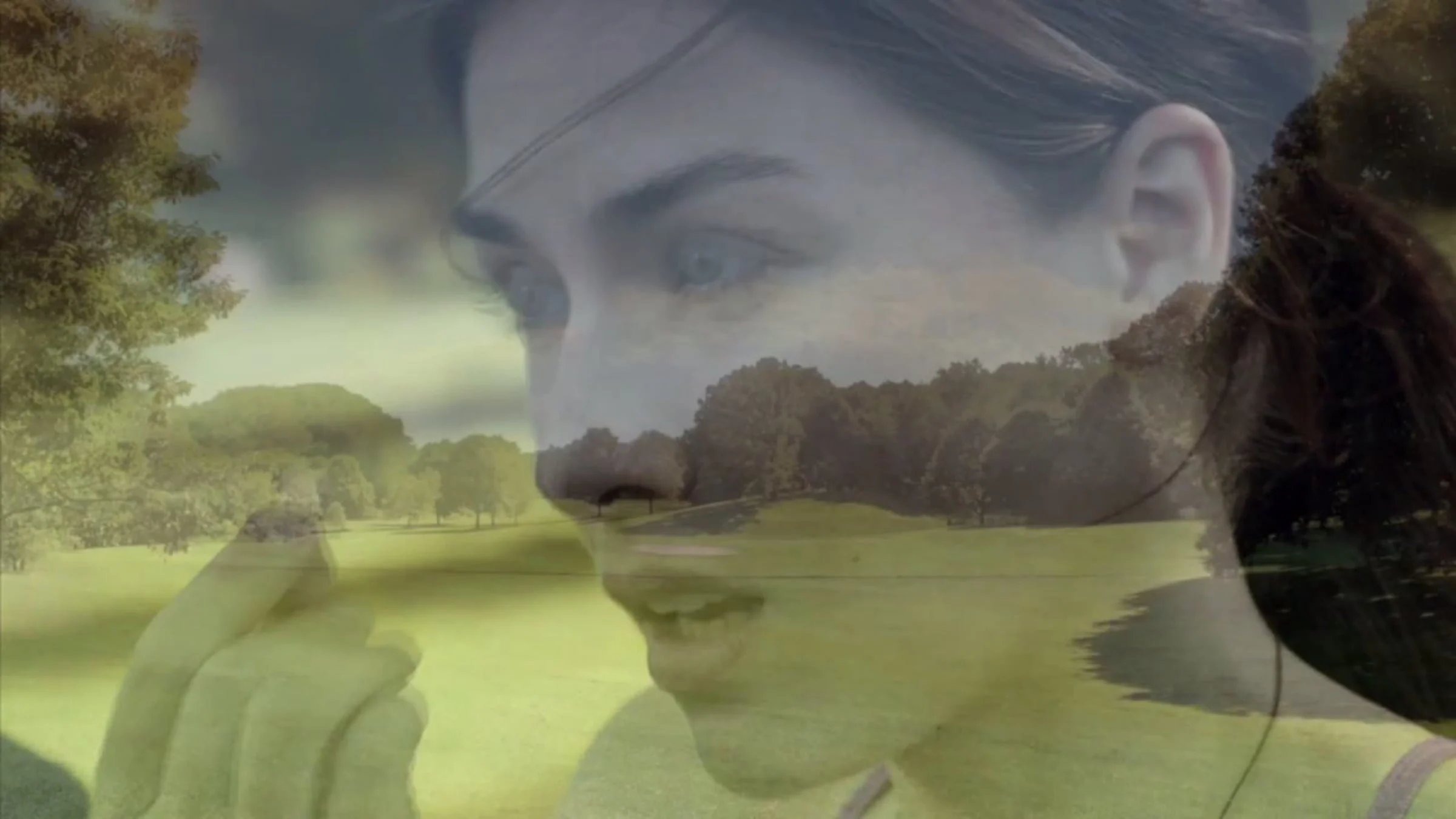
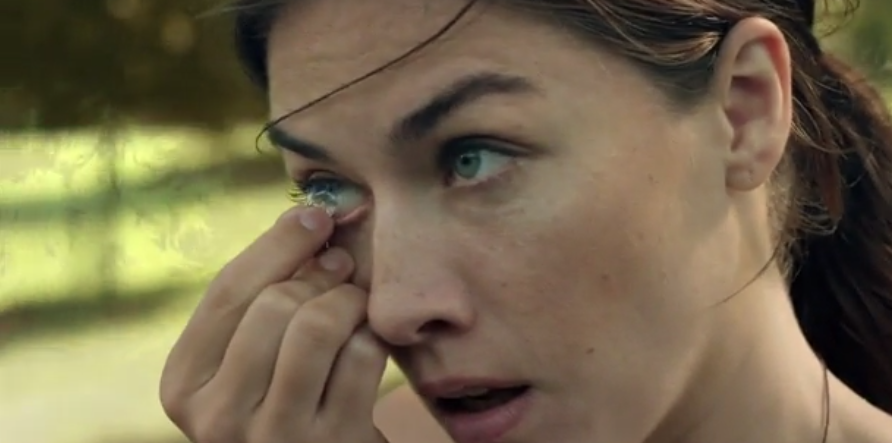
Eden 2045 put RGB+D cinematography inside James Lawler's science-fiction short. I served as RGBD Director of Photography and worked with James George on the film's memory sequences. We combined Canon 5D color with Kinect depth data to record bodies and locations as fully three-dimensional video.
The story imagines contact lenses that overlay shared memories onto the world. RGB+D gave those memories spatial form, with depth, light, and camera movement that could continue changing after the shoot. The film premiered at the CineGlobe Film Festival outside CERN in March 2014.
What followed
RGBDToolkit gathered the rigs and workflows developed through these experiments. Depthkit later adapted them to longer productions and opened the camera to a wider range of filmmakers.