Tool / Practice / Community
A new kind of story required rethinking the camera
Depthkit grew through an artist-led feedback loop between production and software, making it possible to record people as moving three-dimensional images with a compact camera rig.
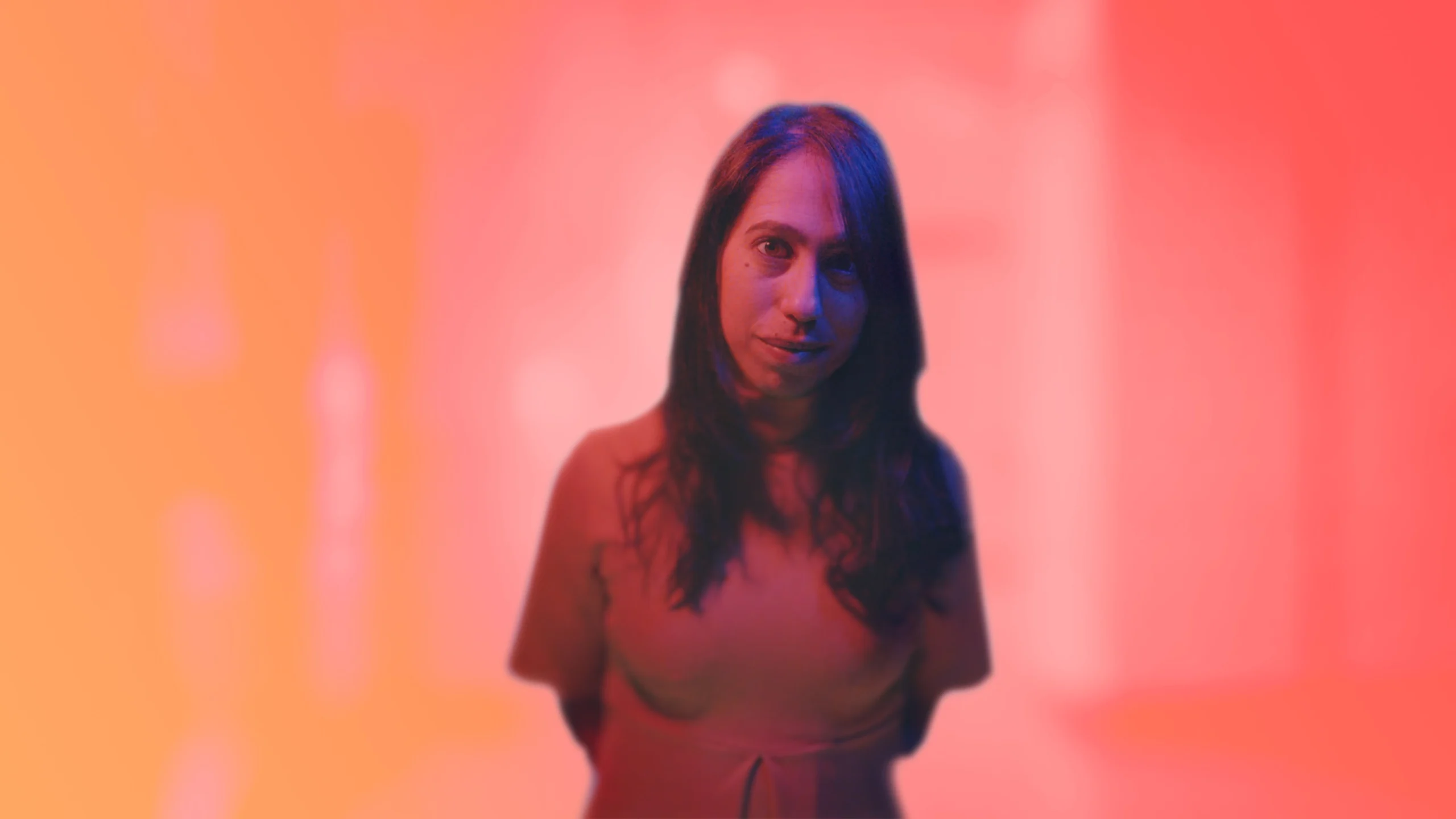
Depthkit began with a practical problem: how do you film a person who will continue to occupy space?
The moving three-dimensional image is now familiar as “volumetric video.” When we began, we were still learning how to light, frame, direct, and edit it. The tools available to us came from research labs, industrial vision systems, and expensive capture facilities. Our production language developed on the projects themselves.
2011–2013: RGBDToolkit
RGBDToolkit was the first system we shared publicly. James George and I developed it through experiments combining a Microsoft Kinect depth sensor with a conventional video camera. The Kinect recorded scene geometry while a conventional camera contributed a richer color image. Calibration aligned the two views, letting us choose a camera position after recording.
Some of that development took place at Eyebeam during a residency formally held by James. Because the residency centered on our shared project, Eyebeam added me as an honorary resident.
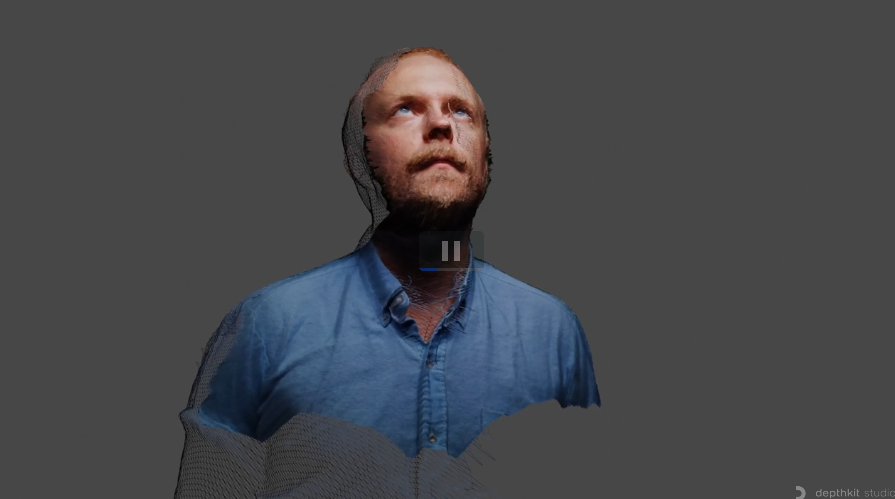
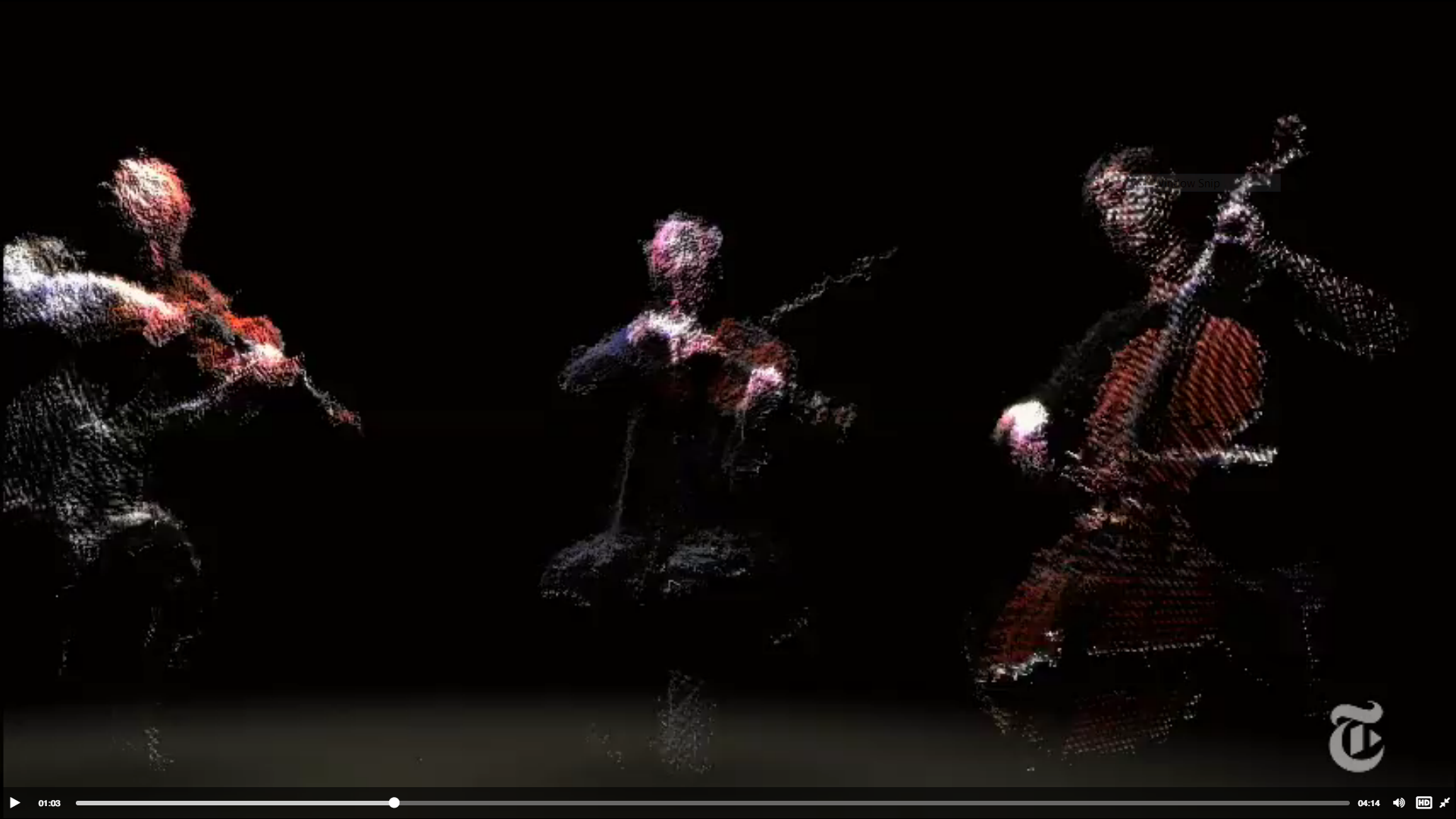
The images were visibly computational, with broken edges and surfaces opening into point clouds. Their failures showed what each camera could see. We kept the artifacts and learned their cinematic possibilities.
RGBDToolkit was released as an open system. Its public life grew through workshops and demonstrations, where other filmmakers began testing three-dimensional cinematography with us.
2014 onward: rebuilding the tool as Depthkit
When virtual reality created a practical need for people inside spatial scenes, James George and I rebuilt the RGB-D workflow as Depthkit. We made the fragile experimental pipeline into a production tool that supported broken pointillist images and increasingly naturalistic performance.
Scatter grew out of Specular, the studio Mei-Ling Wong, James George, and I founded together. We later renamed the studio, began building a team, and developed Depthkit alongside our immersive productions.
On set, ambient infrared light could interfere with depth sensing, leaving gaps or noise in the depth image; longer performances strained storage and workflow. Installations forced us to rethink playback and the audience's path through the room. We changed the software while making the work.
I am interested in building the tools that not-yet-possible documentary stories require. I begin with the experience I want to create and work backward toward the system that could make it possible.
Productions as research
Giant used a compact capture system to hold an actor's presence inside a virtual scene. Blackout, which I directed, placed volumetric recordings of New York subway riders inside a generative documentary. Each visitor encountered a different group of people and inner monologues.
For Zero Days VR, Depthkit placed audiences inside the human and geopolitical story of the Stuxnet cyberattack. The project won the 2018 News & Documentary Emmy Award for Outstanding New Approaches: Documentary.
Captured bodies ranged from near-photographic figures to visible fragments. The viewer shared space with each recorded person. We treated that proximity as an ethical and cinematic choice.
From access to community
The camera needed people around it. New creators needed documentation and help carrying a first test into a finished work. Scatter and Depthkit worked directly with them through workshops, production support, and the Powered by Depthkit Creator Program.
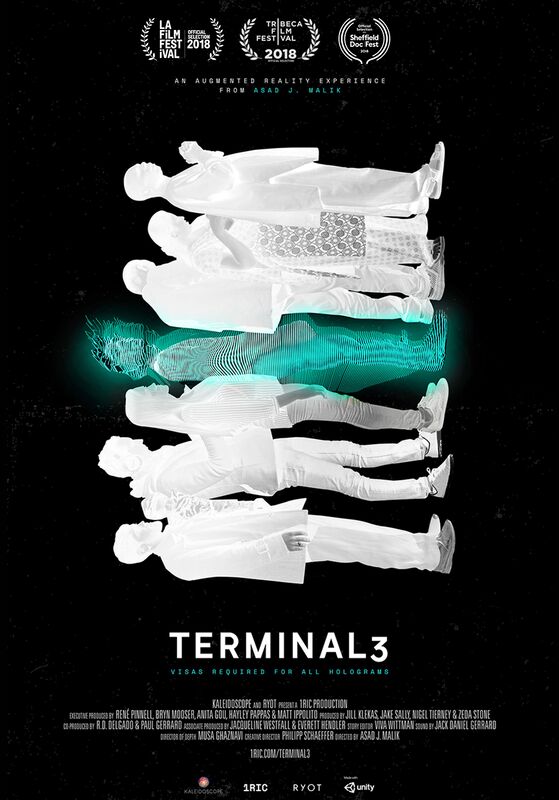
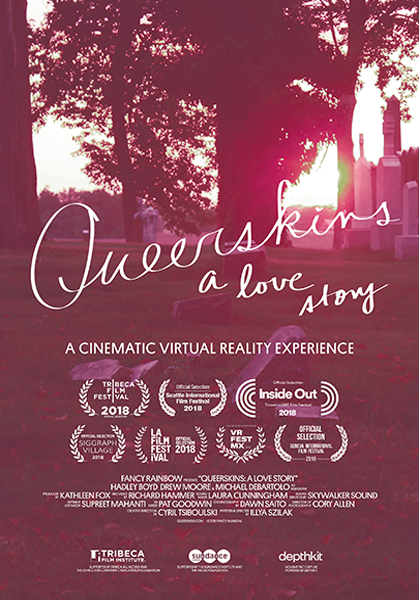
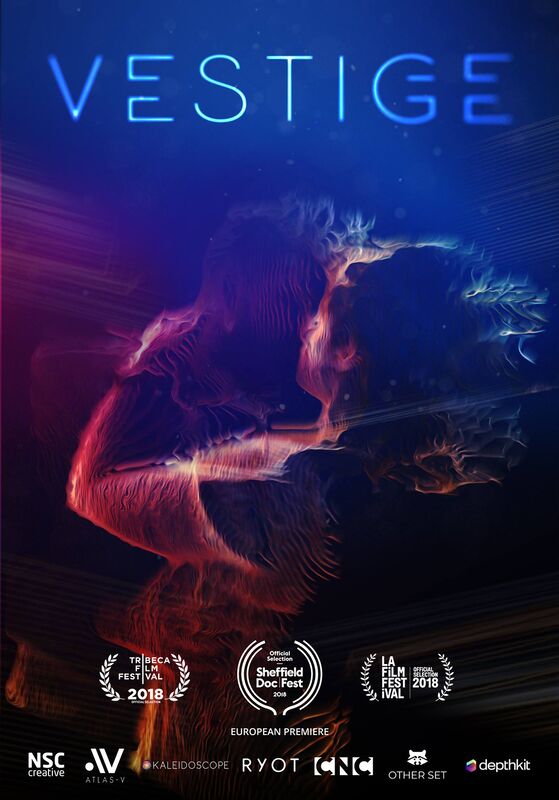
Three of the five works in Tribeca's 2018 Storyscapes competition used Depthkit: Terminal 3 by Asad J. Malik, Queerskins: A Love Story by Illya Szilak and Cyril Tsiboulski, and Vestige by Aaron Bradbury. These were the Creator Program's three flagship projects. The program supplied a software license, creative and technical guidance, capture planning, production and postproduction help, and the shared work of translating very different artistic ideas into a still-emerging medium.
As I told Forbes at the time: “We created this system that allowed [us] to collaborate on capturing people basically using 3D sensing… If anyone else is interested in this crazy new art form, please come with us and experiment alongside us.”
People outside Scatter carried Depthkit into documentary, music, games, and performance. Their projects moved volumetric filmmaking beyond specialized facilities.
A continuing lineage
Depthkit was recognized as a Webby Awards Technical Achievement Honoree in 2019 and acquired by Evercoast in 2024.
I still build tools to test what an image can know and whose experience it can hold. The virtual-cinematography system built for Truth or Consequences and newer custom systems for Strata and Topography continue that method.
Process studies
Building the Camera Mounts
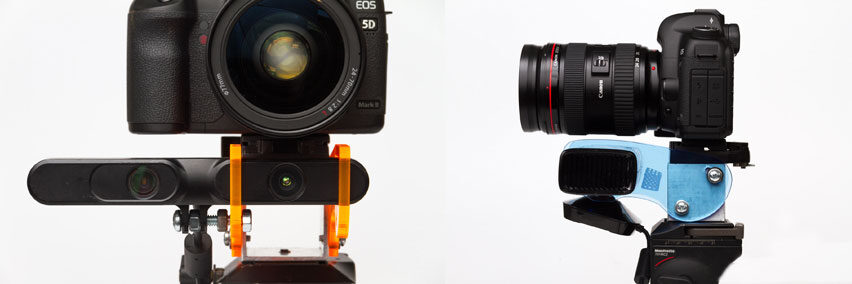
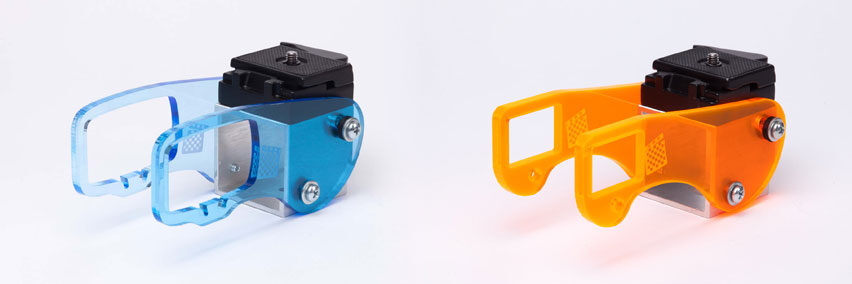
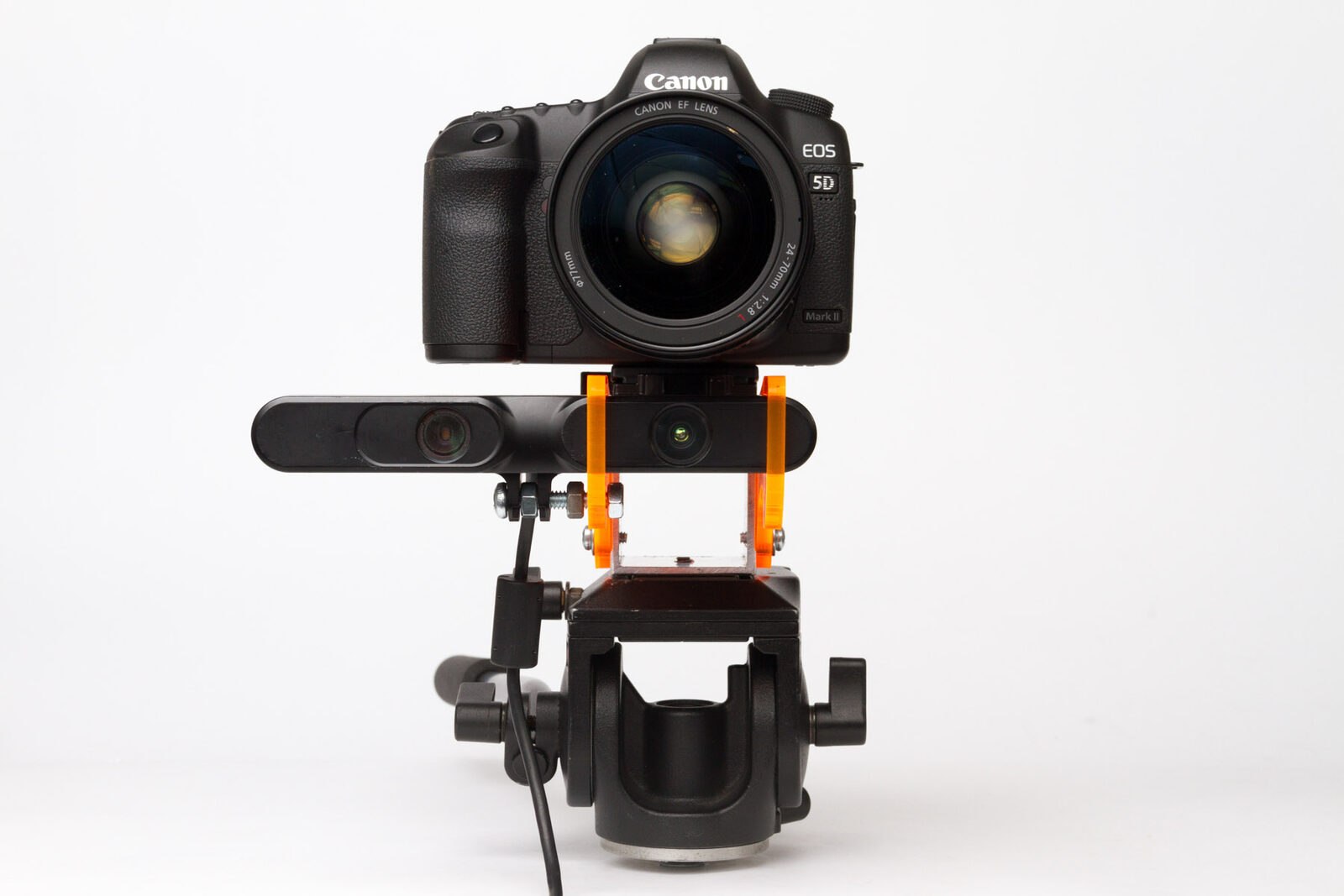
RGB-D capture required a color camera and depth sensor to stay rigidly aligned while remaining adjustable. I designed a family of laser-cut, 3D-printed, and fabricated mounts that made the experimental workflow portable, repeatable, and available to other filmmakers.
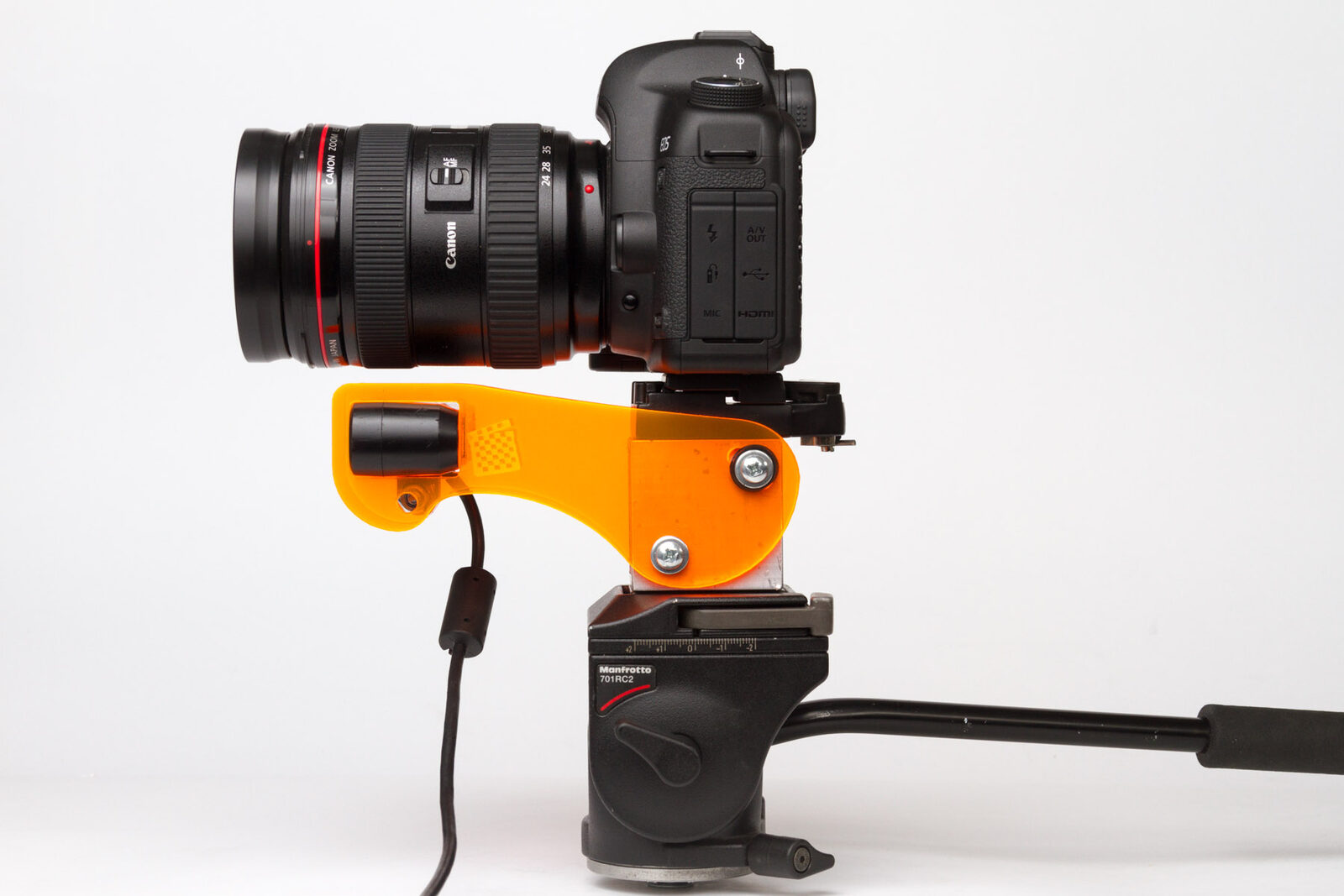
Alexander Porter — Designer / Fabricator
- 01 / Starting point
The color camera and depth sensor had to stay rigidly aligned in the field.
- 02 / How it worked
I designed an aluminum base with interchangeable laser-cut acrylic arms for Kinect V1, Asus Xtion, and PrimeSense sensors, then developed 3D-printed and later fabricated variants. I published the plans for open fabrication, mass-produced and sold affordable assembled kits.
- 03 / What it opened
The mounts held calibration through field use and gave workshops a repeatable camera setup. Published plans let people fabricate their own; assembled kits also traveled with productions and students.
Entering the Image
By 2014, captured performances were moving from images rendered for a screen into spatial scenes a viewer could occupy. This stereoscopic Unity screenshot records an early multi-camera volumetric-footage test in VR.
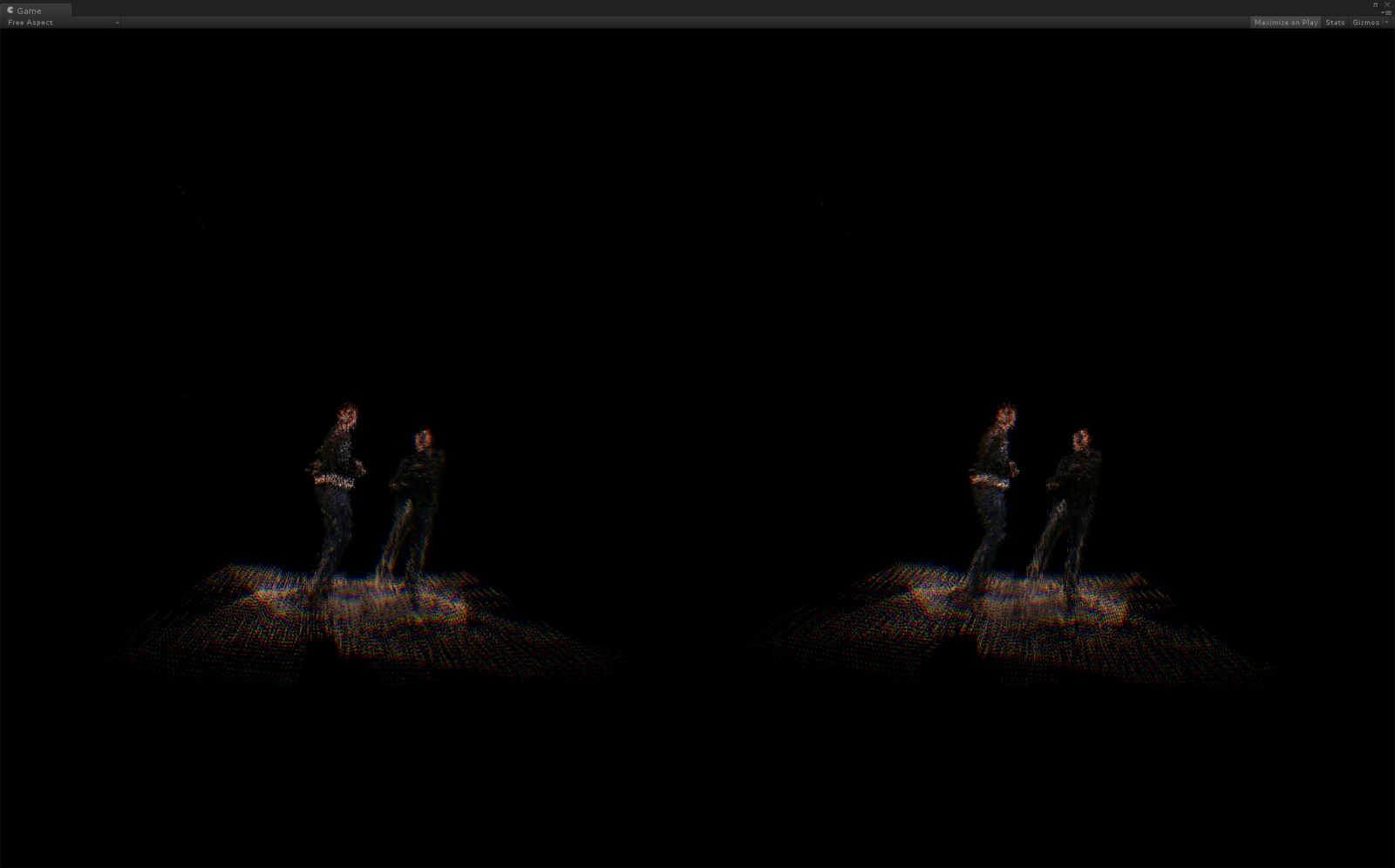
Alexander Porter and James George — shared RGB-D and volumetric-production research.
- 01 / Starting point
Volumetric footage had to hold together when the viewer could move around it.
- 02 / How it worked
We combined footage from multiple RGB+D cameras inside a stereoscopic Unity scene and tested the captured people and point-cloud floor in an Oculus Rift DK1. The headset made the gaps and instability of the material newly spatial: the scene had to remain coherent as the viewer looked around and changed position.
- 03 / What it opened
Captured people and the point-cloud floor could be inspected from different positions inside the headset. The test exposed gaps that a fixed screen view hid and informed longer spatial productions built with the same capture method.
Two short films / tool and community
The system seen in use
Tool / production / community
From prototype to platform
- 2011–2013
RGBDToolkit
James George and Alexander Porter develop and publicly share an RGB-D filmmaking workflow combining a depth sensor with a video camera.
- 2014
Depthkit
George and Porter rebuild the experimental workflow as Depthkit as spatial storytelling and VR create a need for production-ready volumetric capture.
- 2015–2017
Production feedback loop
Works including Giant, Blackout, and Zero Days VR drive new capture, cinematography, playback, and postproduction methods.
- 2018
Powered by Depthkit
Three of five Tribeca Storyscapes projects use Depthkit; the Creator Program supports Terminal 3, Queerskins, and Vestige.
- 2019
Webby recognition
Depthkit is named a Webby Awards Technical Achievement Honoree in Apps and Software.
- 2024
Evercoast
Evercoast acquires Depthkit and continues the product's development.
Capture / image / community
The medium changed shape
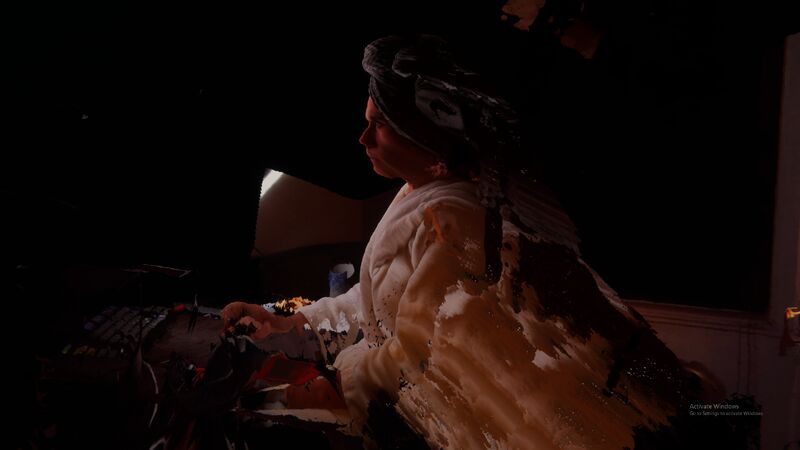
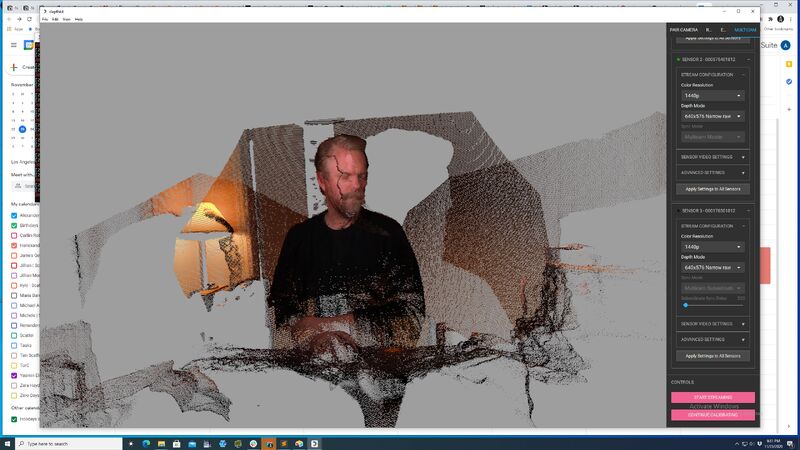
 multi-camera livestream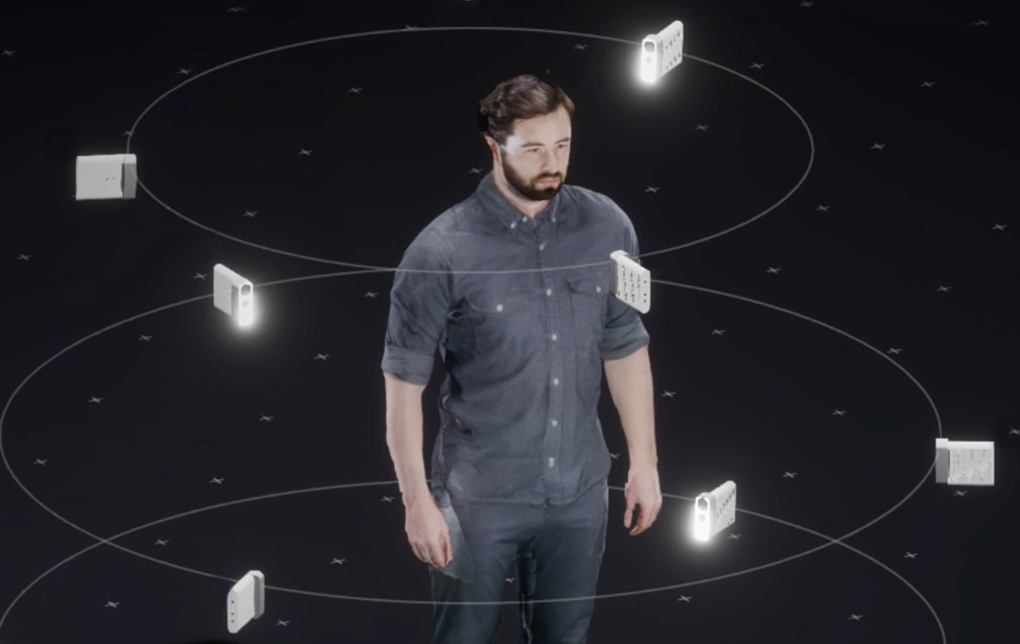

Independent record
Recognition & context
- Voices of VR Podcast · 2021#978: Democratizing Volumetric Capture with Scatter's Depthkit↗
- United States Patent and Trademark Office · 2022Methods and Systems for Producing Content in Multiple Reality Environments — Co-Inventor; U.S. Patents 11,288,864, 11,721,071, and 12,154,228↗
- National Endowment for the Arts · 2021NEA Tech as Art: Technology as a Creative Medium↗
- Art in America · 2020Telling Stories with Volumetric Filmmaking↗