Zero Days VR
Inside the hidden machinery of Stuxnet.
A twelve-minute immersive documentary using volumetric performance, spatial environments, and data visualization to make invisible infrastructure perceptible.
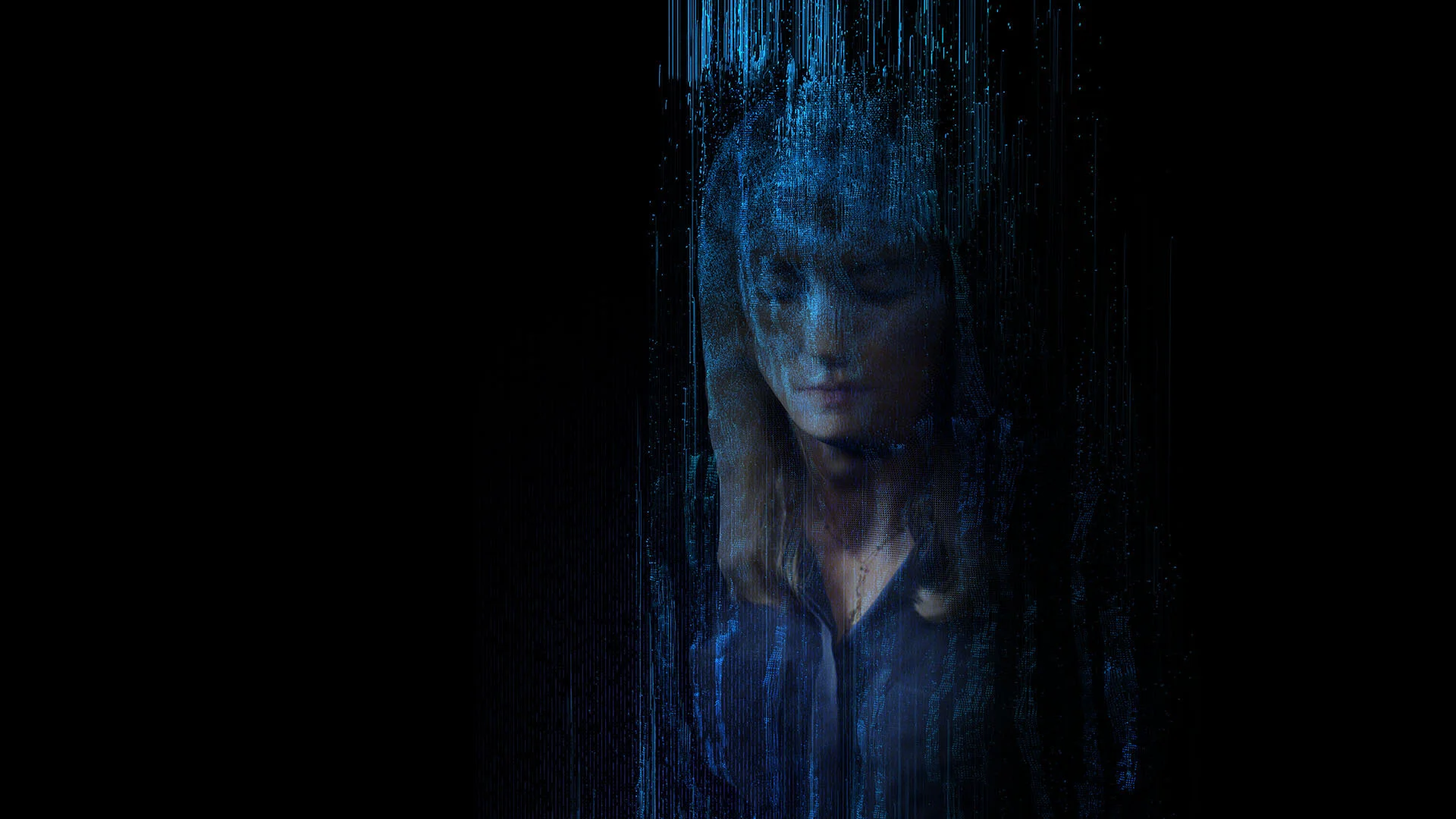
- Period
- 2017
- Status
- Complete / Archived
- Form
- Immersive documentary · 12 minutes
The project
Inside Zero Days VR, you move with Stuxnet through an Iranian nuclear facility. Adapted from Alex Gibney's Zero Days, the twelve-minute immersive documentary lets you experience the invisible world of cyber warfare from the perspective of the virus. Archival material, data visualization, spatial environments, and volumetric performances occupy the same sequence, placing the high stakes of cyber warfare at a human scale. Stuxnet was the first known cyberweapon built to cause physical destruction, sent by a clandestine US-Israeli operation into Iran's nuclear program.
While making Zero Days, I sat beside Alex Gibney and built the film’s 3D camera movements in custom software. Alex said Depthkit let him film un-filmable things and treat infrastructure as a place. That thought stayed with me. After the film, I proposed a VR adaptation to Alex and Jigsaw. They agreed, and I negotiated the rights with Participant through a genuinely interesting fair-use letter.
What others saw
Process studies
A Network Becomes a Landscape
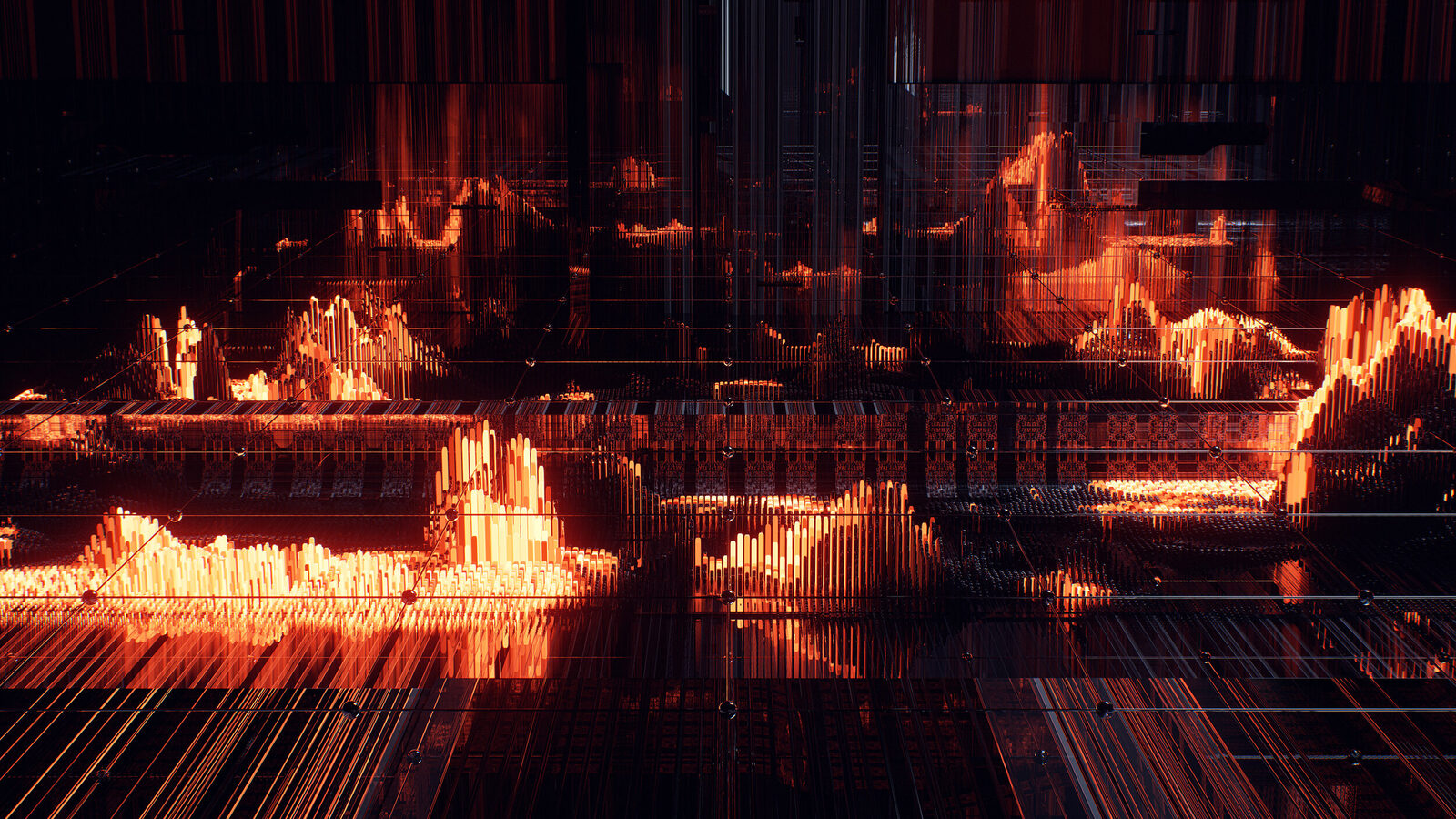
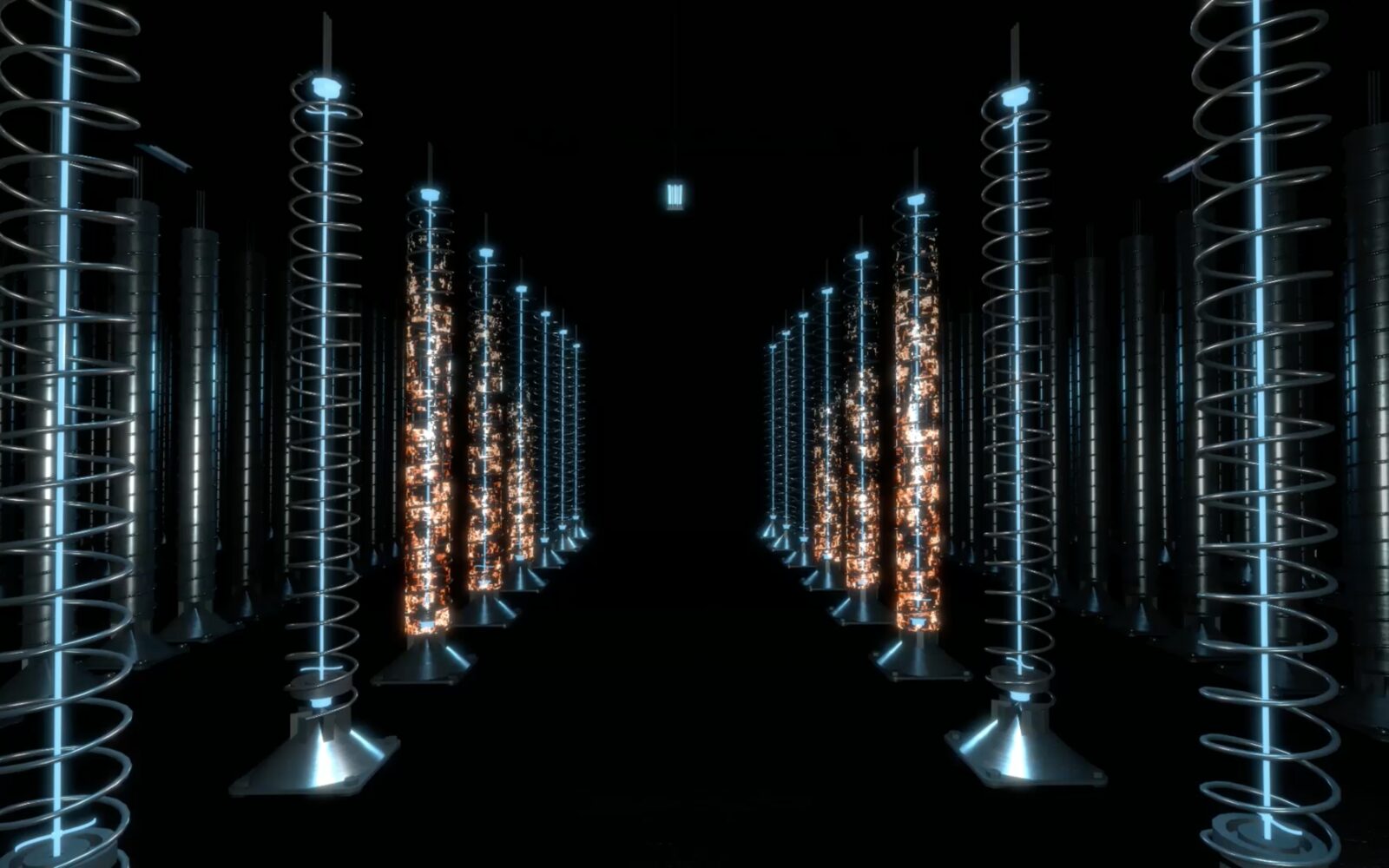
Stuxnet altered centrifuges at the Natanz enrichment facility while hiding what it had done. Zero Days VR follows that operation from network traffic into machinery.

Directed by Yasmin Elayat. Alexander Porter served as executive producer, producer, co-writer, and Depthkit director of photography.
- 01 / Starting point
How could a viewer follow a cyberweapon from code into physical damage when much of its operation had no image?
- 02 / How it worked
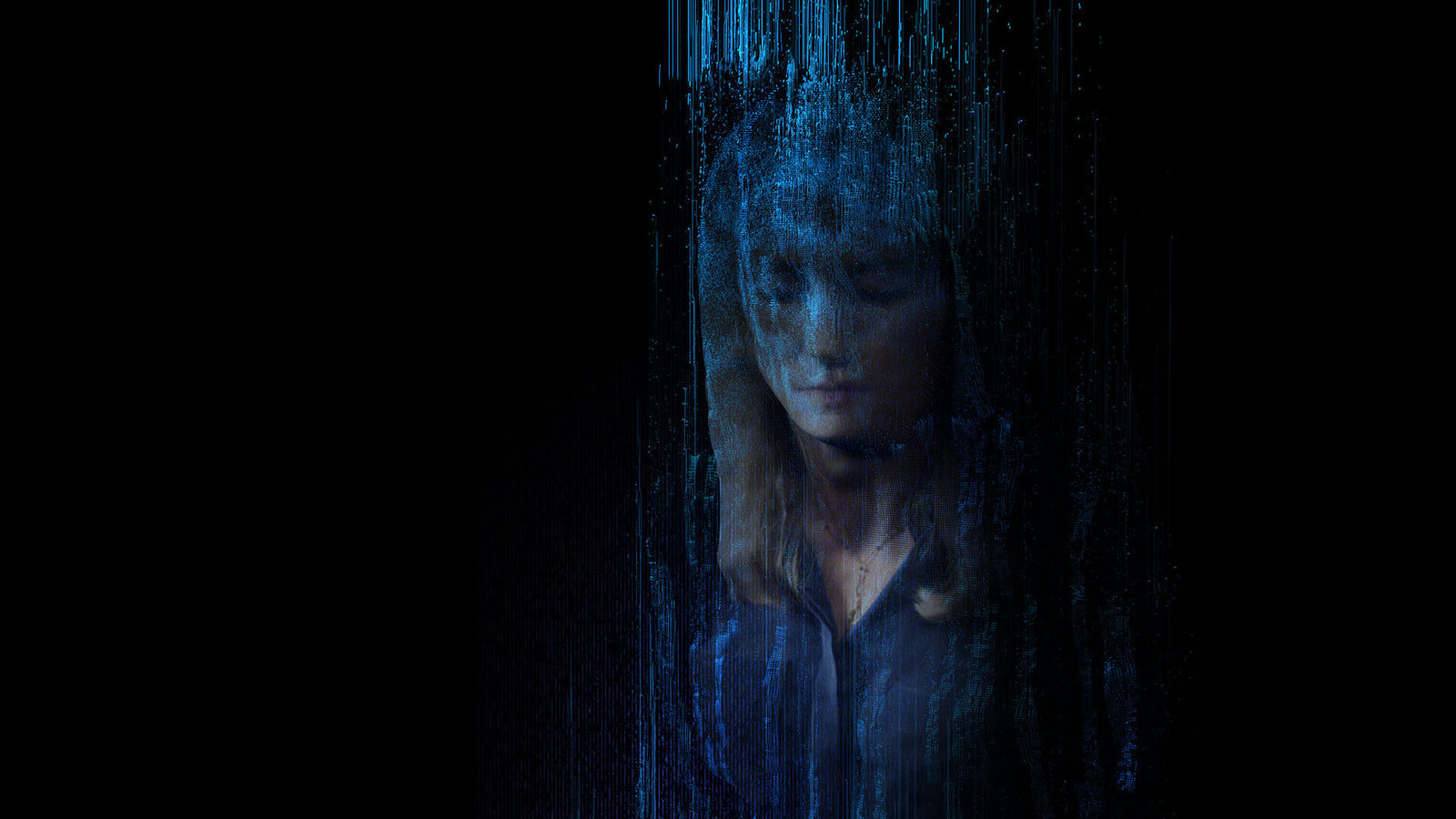
We built an impressionistic spatial model from documentary testimony, archival material, animated data, industrial architecture, and volumetric performances recorded with Depthkit. The viewer moves through streams of code and network structures before entering the Natanz enrichment facility. Human testimony appears within the same environment as the systems it describes, connecting software, machinery, and political decisions.
- 03 / What it opened
The same environment held testimony, code, and industrial machinery. Moving through it connected a human account to the systems and political decisions it described.
Across the Table
The coda of Zero Days VR used a live Intel RealSense capture rather than another prerecorded volumetric performance.
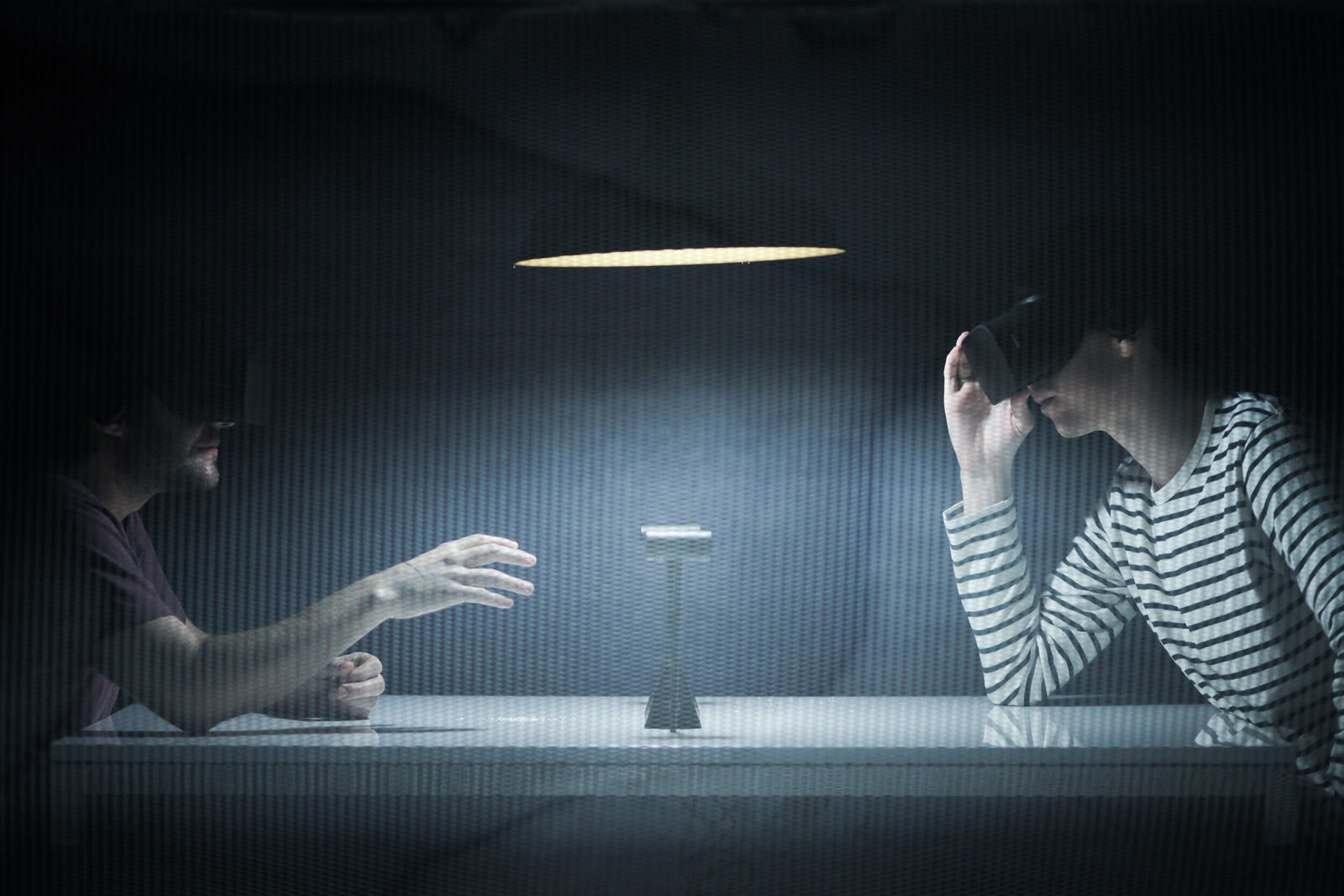 installation documentation
Zero Days VR directed by Yasmin Elayat. Installation developed by Scatter. Alexander Porter served as executive producer, producer, co-writer, and Depthkit director of photography, and contributed to the installation design. Elie Zananiri was Technology Director.
- 01 / Starting point
The piece centers on a whistleblower captured with Depthkit. The coda needed to make that person’s risk legible as a human position the viewer might occupy.
- 02 / How it worked
An Intel RealSense camera captured the headset wearer during the installation. In the coda, that live depth image appeared across the virtual table at the corresponding seat. The viewer faced their own captured body, now occupying the narrative position of the whistleblower.
- 03 / What it opened
In the final scene, the viewer found their own captured body seated in the whistleblower’s place across the table.
My role
I captured the volumetric performances and designed the installation. In its final encounter, visitors saw their own live depth image seated across a virtual table.
Supported by
- Presenter2017
- Production Partner
Produced with support from Oculus Story Studio
2017
Selected credits
Scatter
Co-Founder / Immersive Director
- Yasmin Elayat
- Director / Producer / Writer
- Alexander Porter
- Executive Producer, Producer, Co-Writer, Depthkit Director of Photography (Volumetric Capture), Installation Design
- Mei-Ling Wong
- Producer / Scatter Co-Founder
- Alex Gibney
- Executive Producer
- Sarah Dowland
- Executive Producer
- James George
- Executive Producer / Scatter Co-Founder
- Elie Zananiri (Dpt.)
- Technology Director
- Bradley G Munkowitz
- Design Director
Links & presentations
- Voices of VR · 2017#543: Visualizing An Invisible Cyber War with Zero Days VR↗
- Road to VR · 2018Stuxnet Documentary 'Zero Days VR' Wins an Emmy↗
- Academy of Television Arts & Sciences (Emmy) · 2018Emmy: Outstanding New Approaches to News & Documentary↗
- Webby Awards · 2018Best Narrative Experience↗
- Virtual Reality Films · 2018Sundance Film Festival and The Rise of Indie VR↗
- Forbes · 2017'Zero Days VR' Sets A High Bar In The Oculus Store↗