A Cinematic History of Virtual Reality · Sep 13
A screening curated by Alexander Porter paired science-fiction films with corporate research and product demonstrations to trace imagined virtual worlds from 1935 to 2015.
What happens when everyday objects can see?
In a world where every device can see, what is a camera?
The project
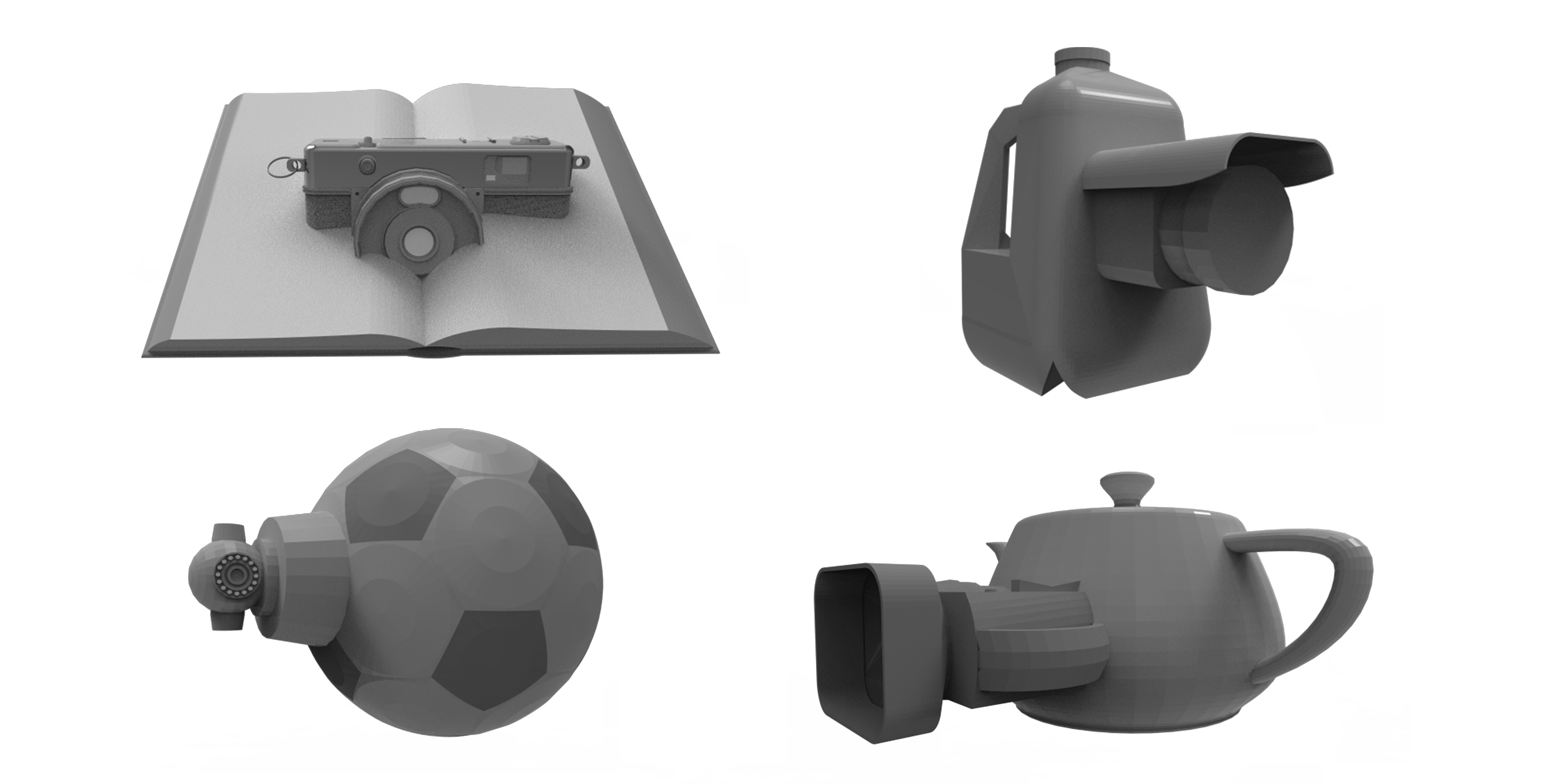
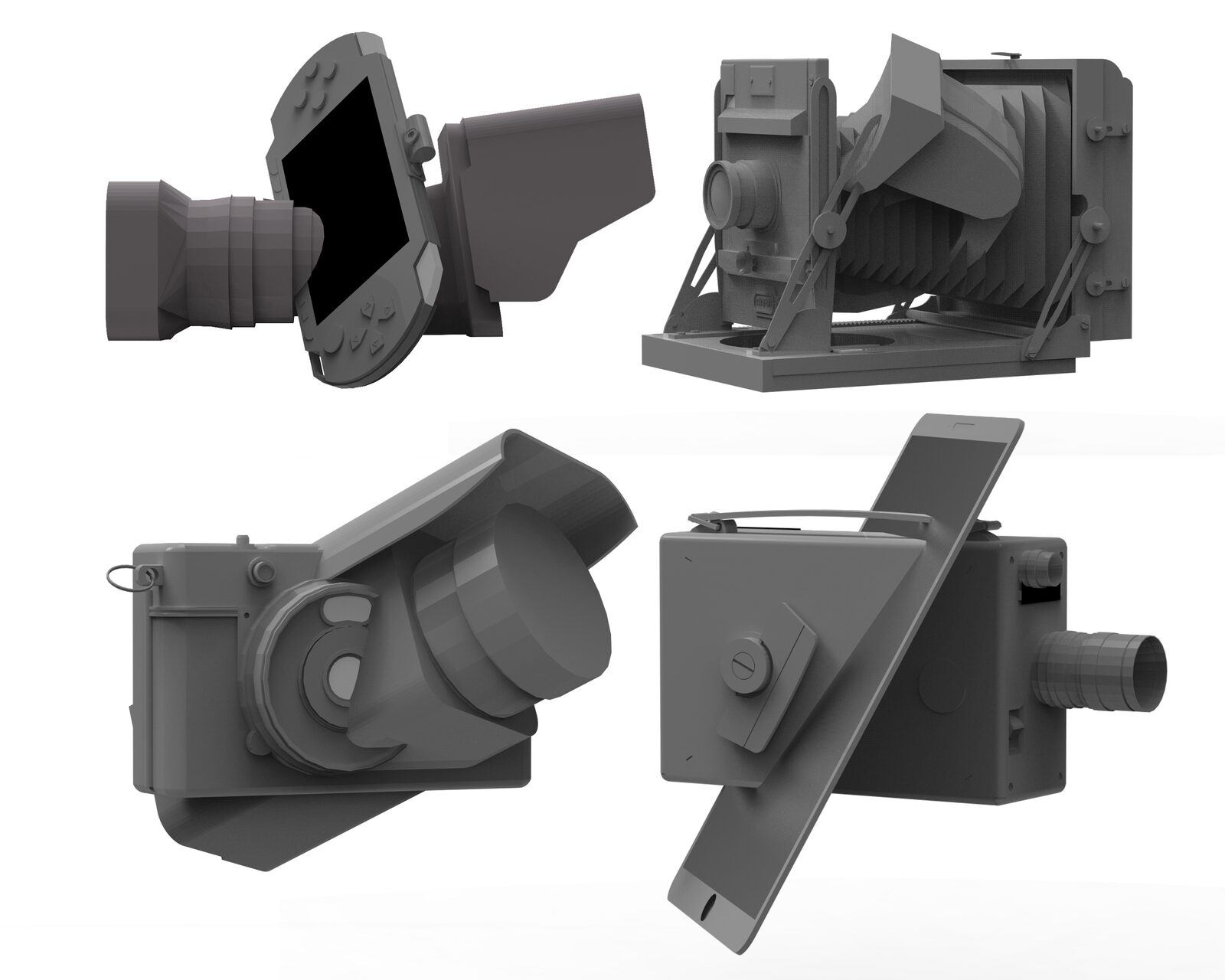
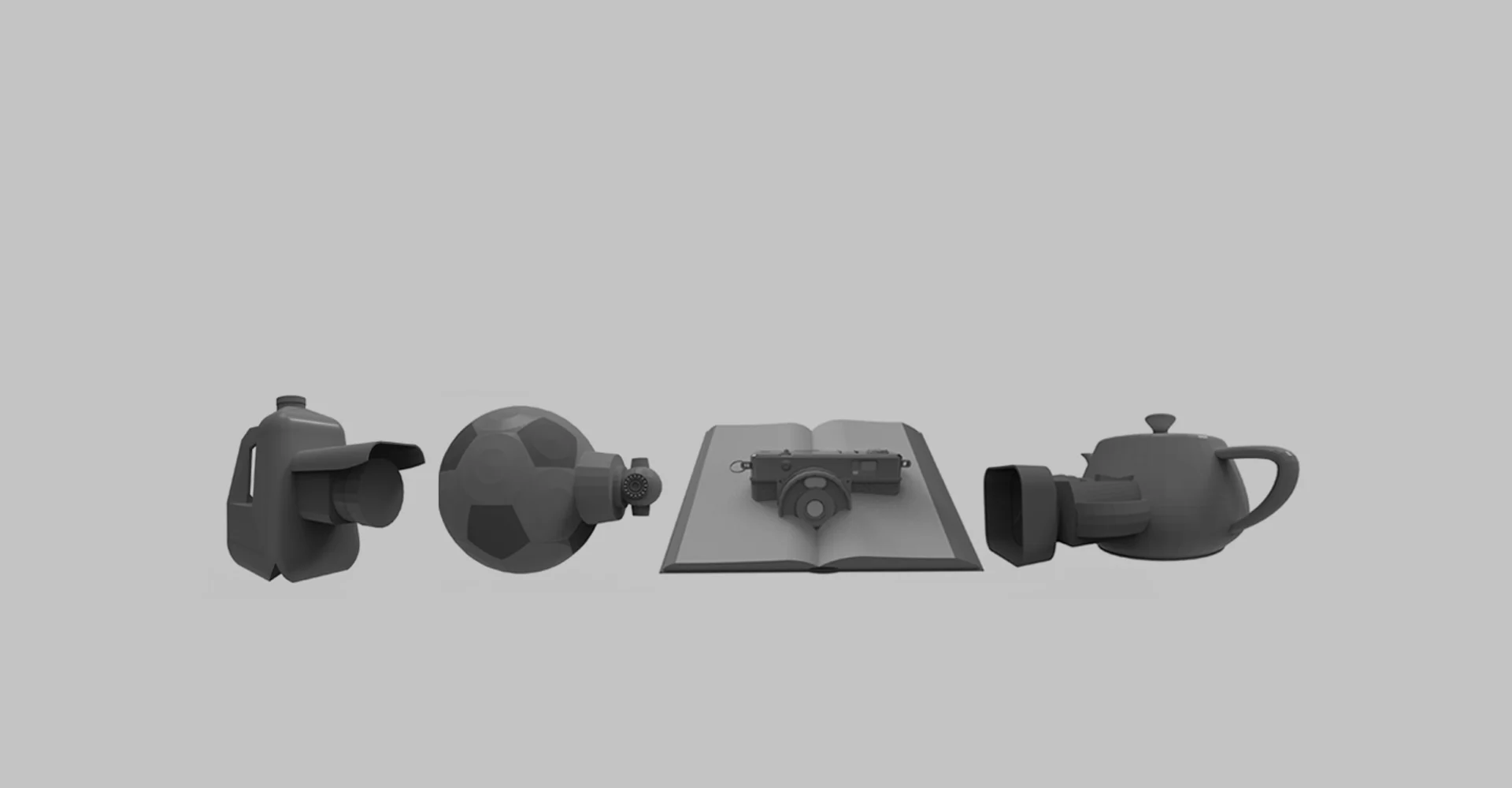
Camera of the Future was an all-day speculative design workshop led by Specular during its 2014 Towards a Virtual Reality research residency at the Museum of Arts and Design in New York. One of three public programs, it asked how cameras embedded in phones, buildings, cars, toys, and appliances were changing relationships to objects, sensor networks, and photography. Participants imagined, designed, and prototyped hybrid cameras while considering their possible uses and cultural effects.
What does it mean to give everyday objects and appliances the ability to see? From phones to buildings, cars and children's toys, an impressive array of things is being manufactured with embedded cameras that are connected to the Internet. How does this trend affect our relationship to these objects, as well as to sensor networks? What are the implications for traditional photography? If we consider these devices filmmaking tools, what new stories can we tell?
I would begin by asking students to name the most common camera. They suggested phones, consumer cameras, and security cameras. At the time, I believed it was the optical mouse: a tiny, very close camera focused on the texture of the surface beneath it. The example mattered because technical cameras were already operating around us in forms we did not necessarily recognize as cameras.
I co-led the all-day workshop during Specular's Towards a Virtual Reality research residency at MAD. Participants imagined, designed, and prototyped hybrid cameras through discussion, playful speculation, and experiments with devices both real and imaginary. The residency treated virtual reality as a cultural and cinematic question through a gallery installation and three public programs. I curated A Cinematic History of Virtual Reality as a loose eighty-year chronology, beginning with Pygmalion's Spectacles (1935) and moving through science-fiction films, corporate research, and product demonstrations. Selections included The Invention of Morel and The Lawnmower Man. We also led the Cultural Impact of Computer Vision roundtable with Lauren McCarthy, Sophie Kahn, Clement Valla, and Liam Young.
Process study
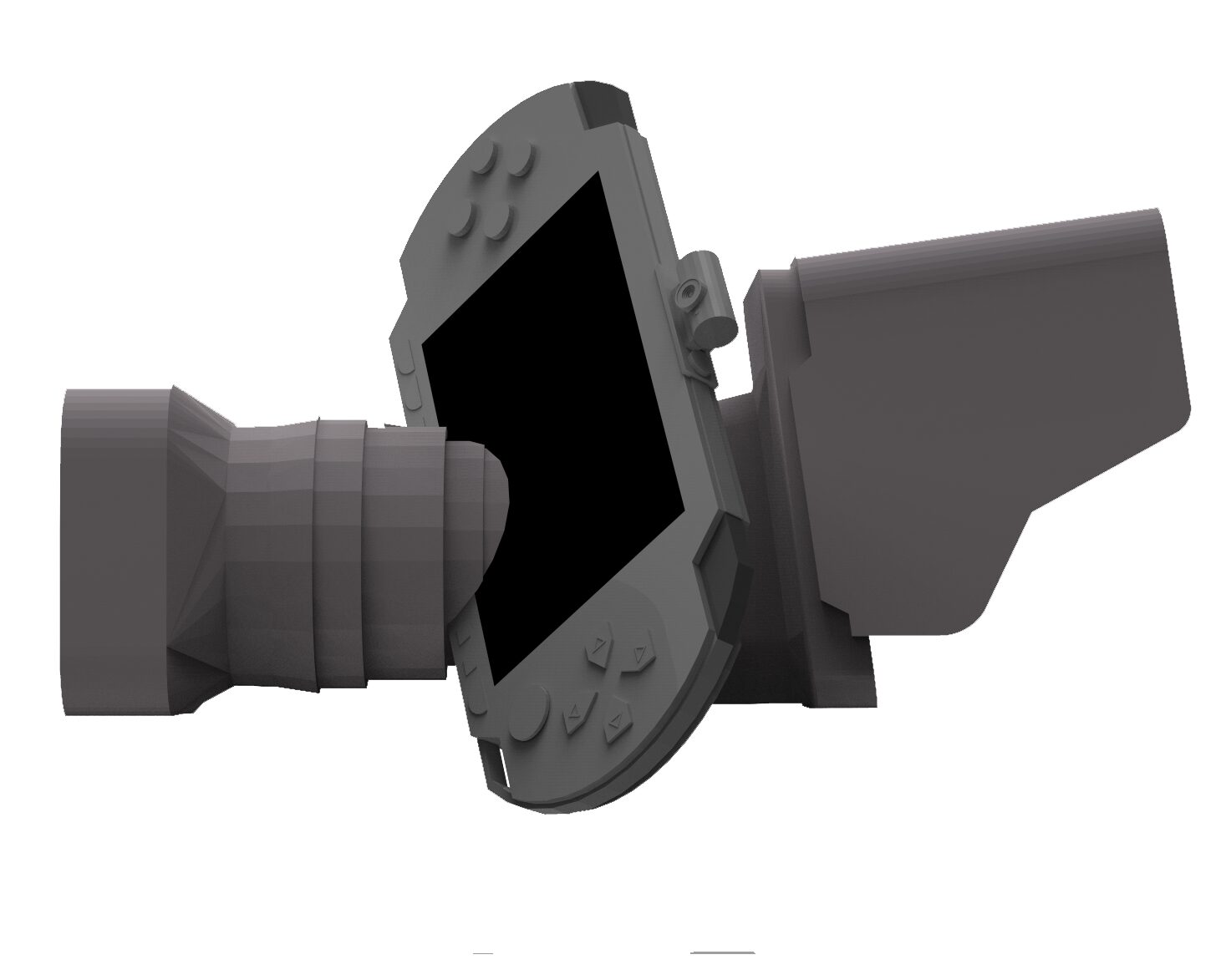
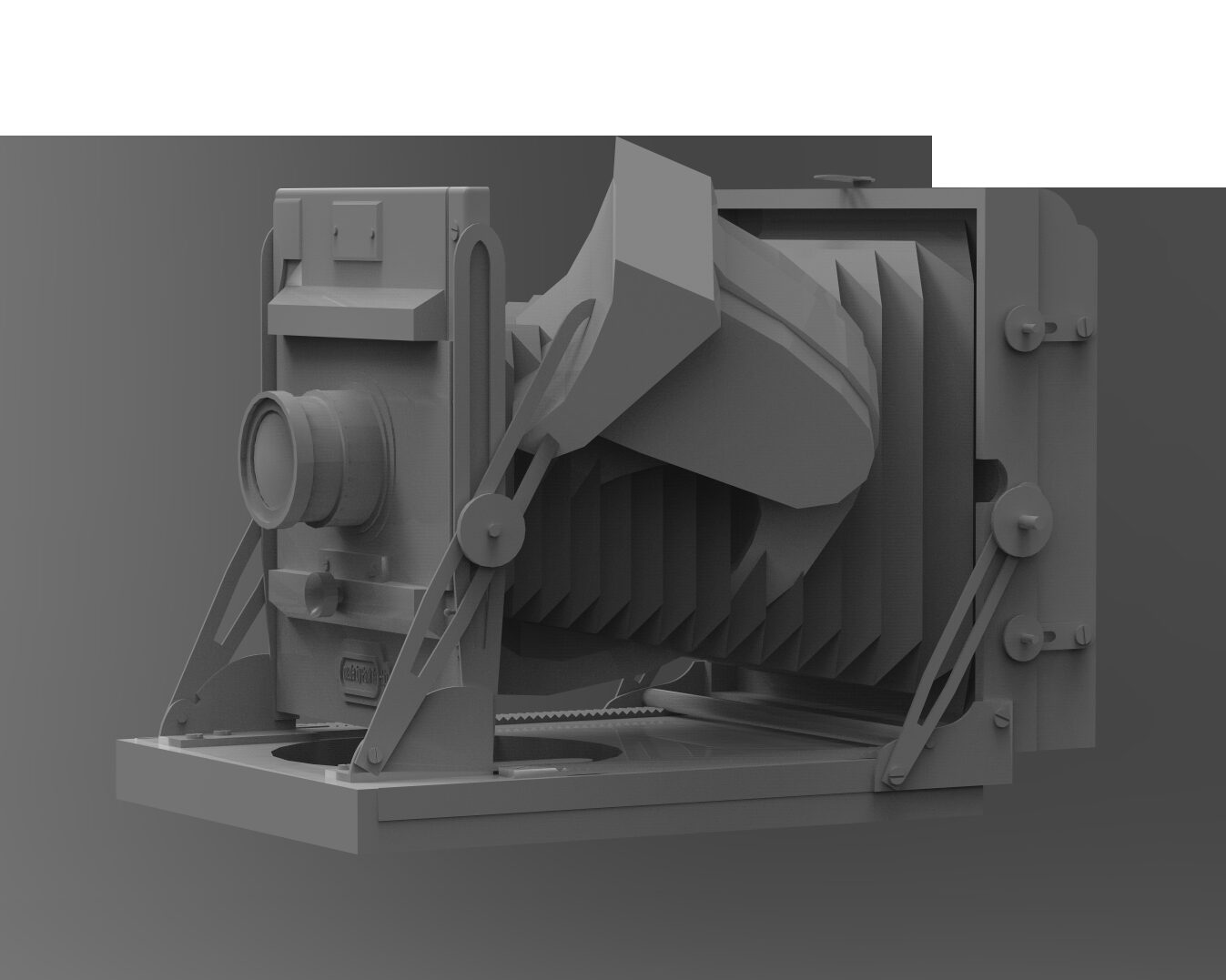
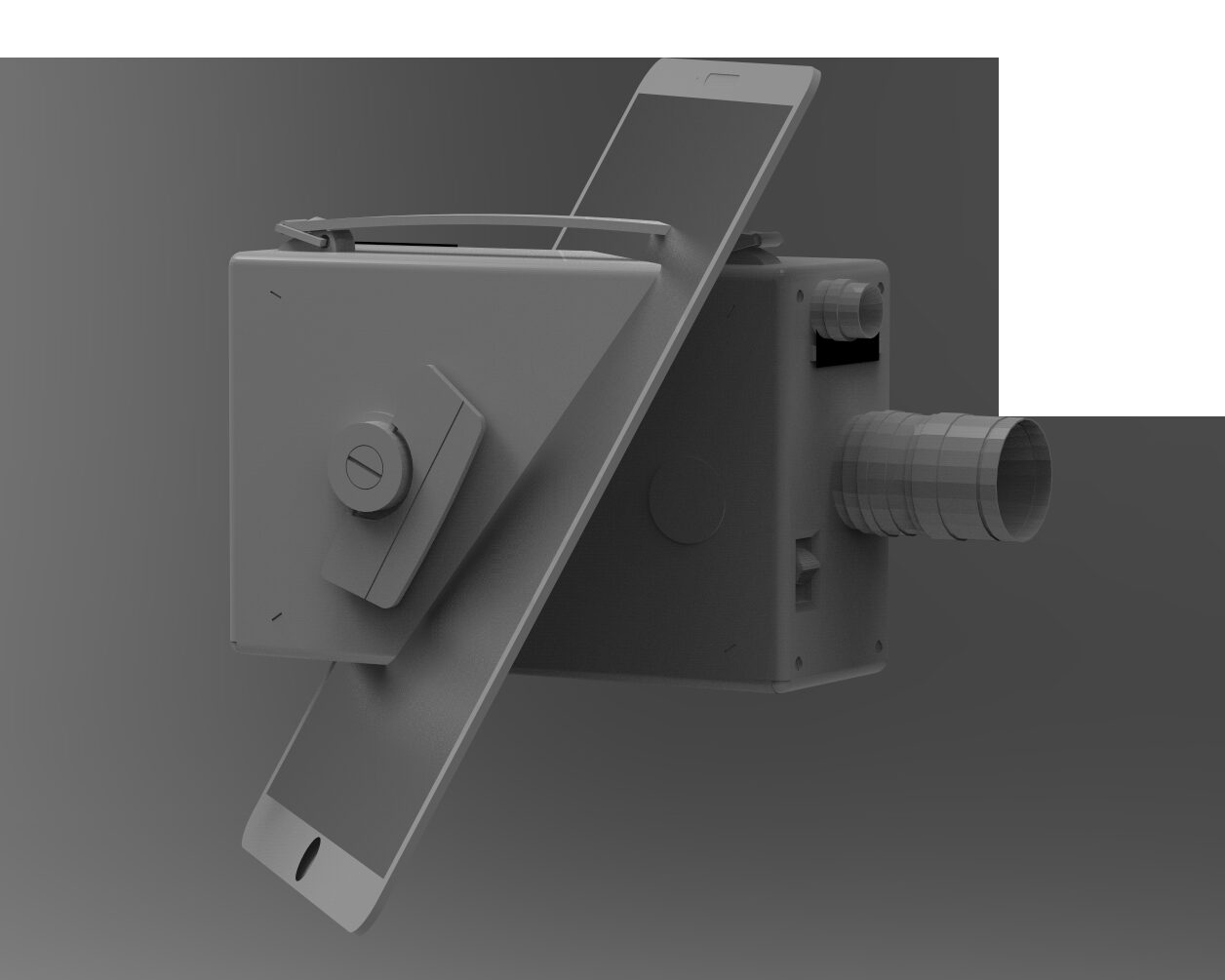
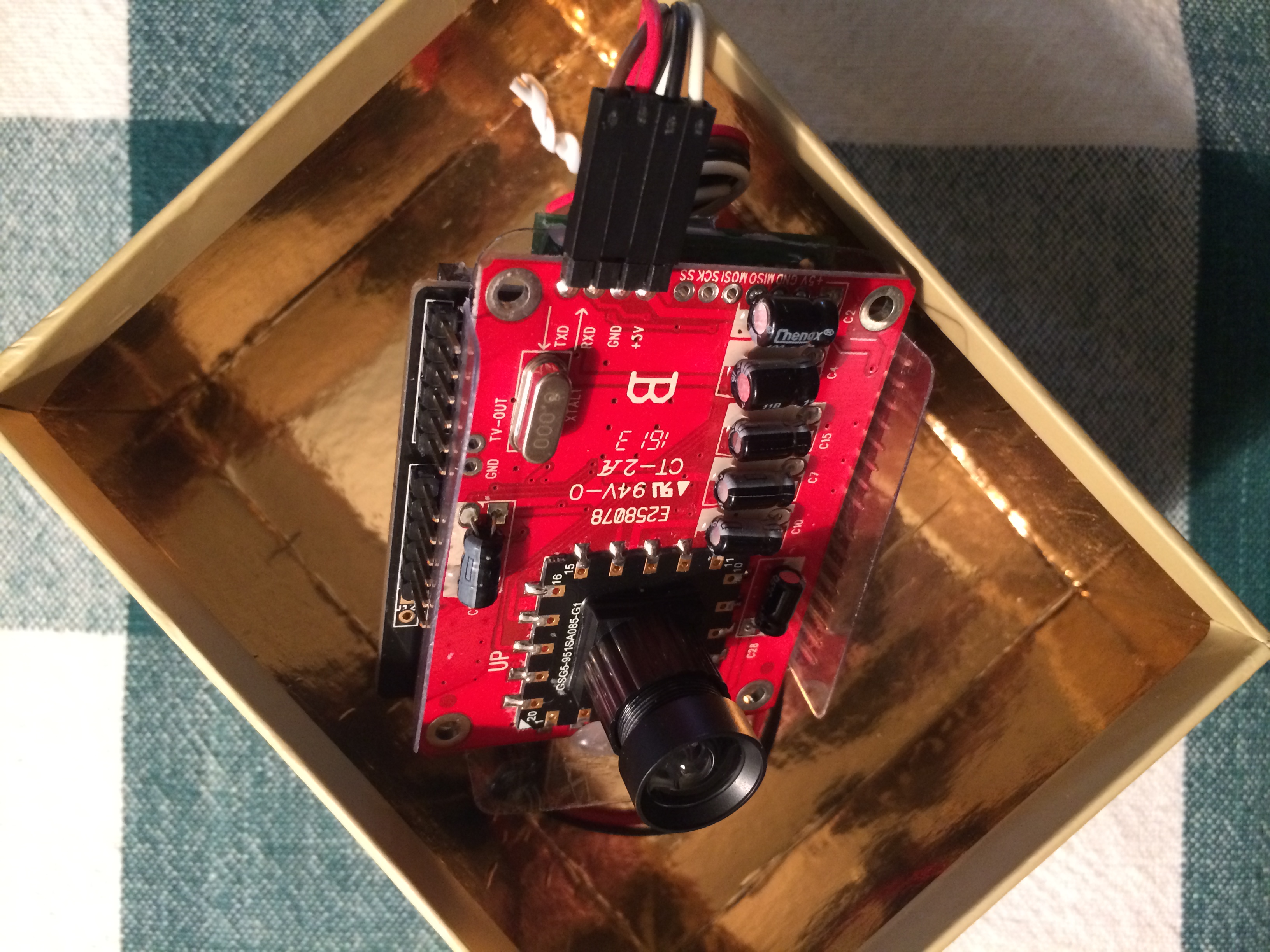
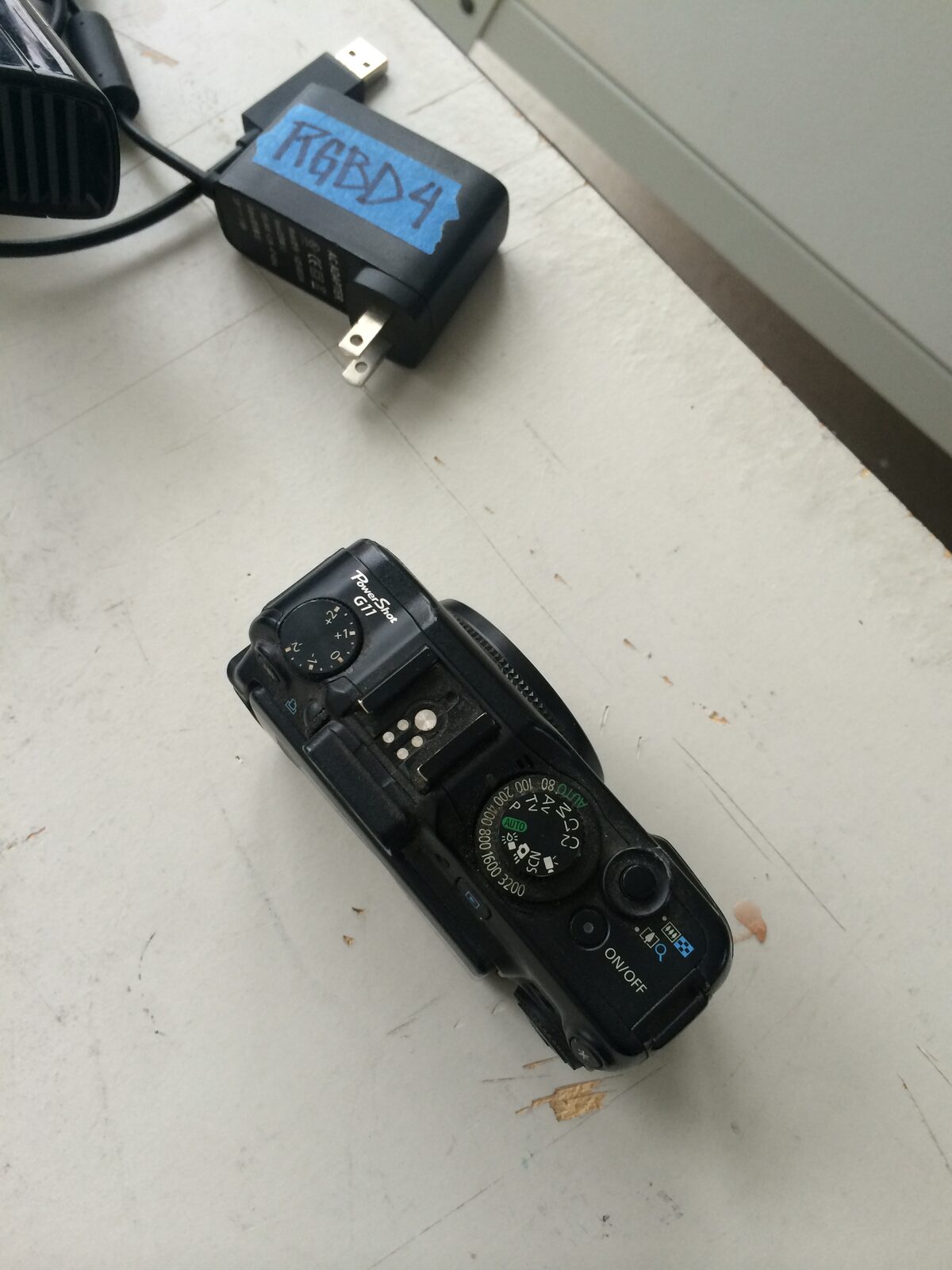
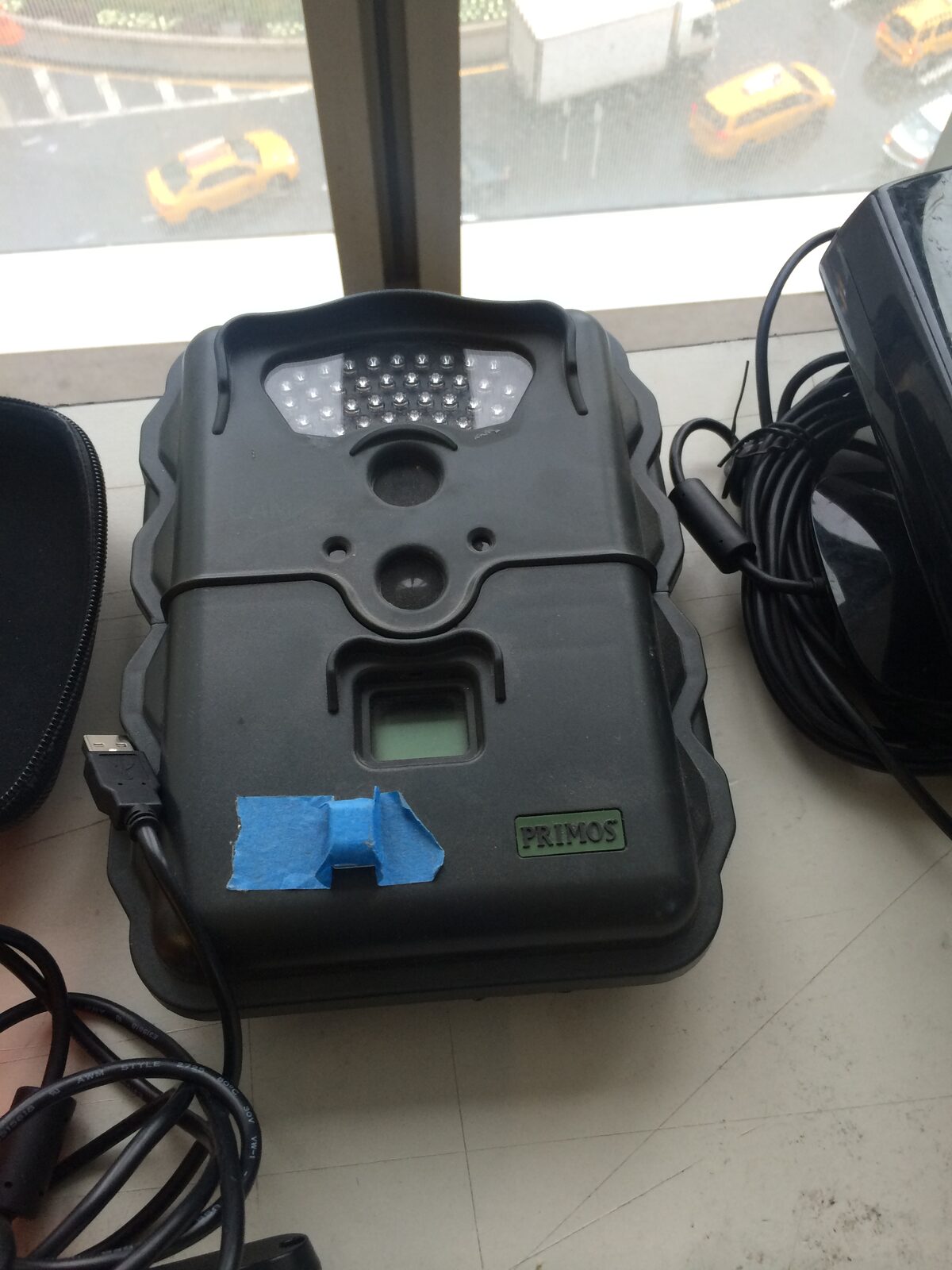
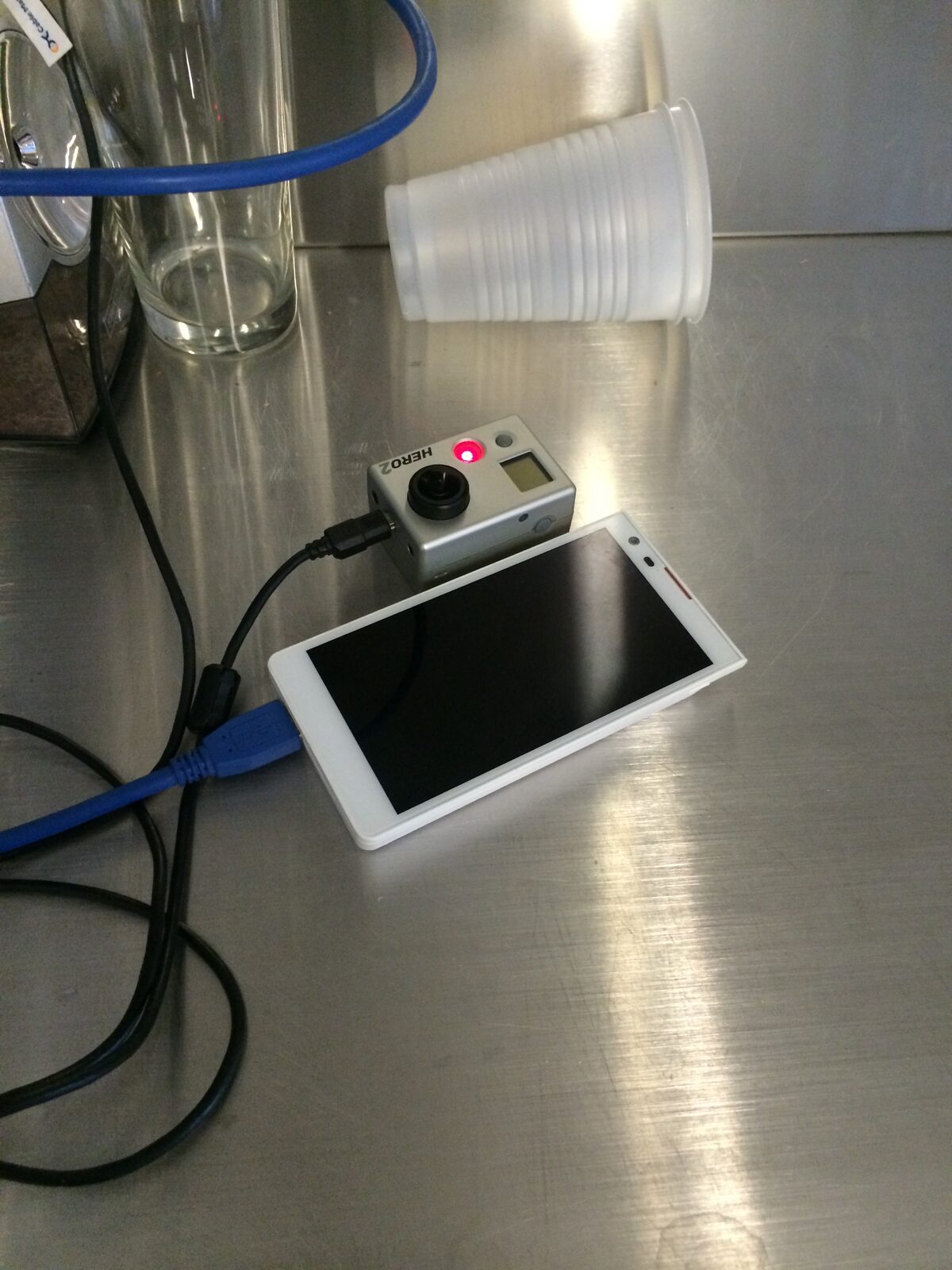
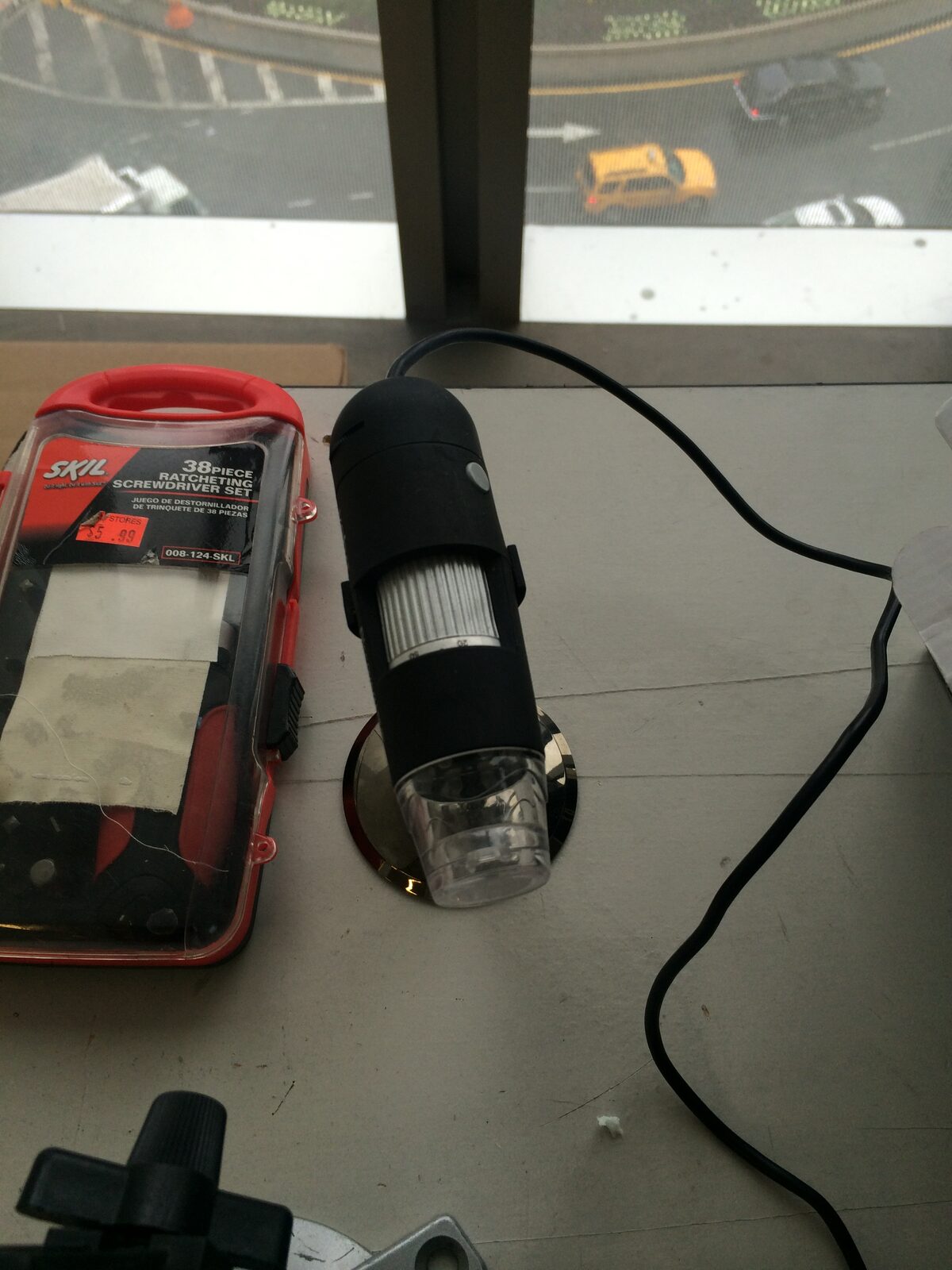
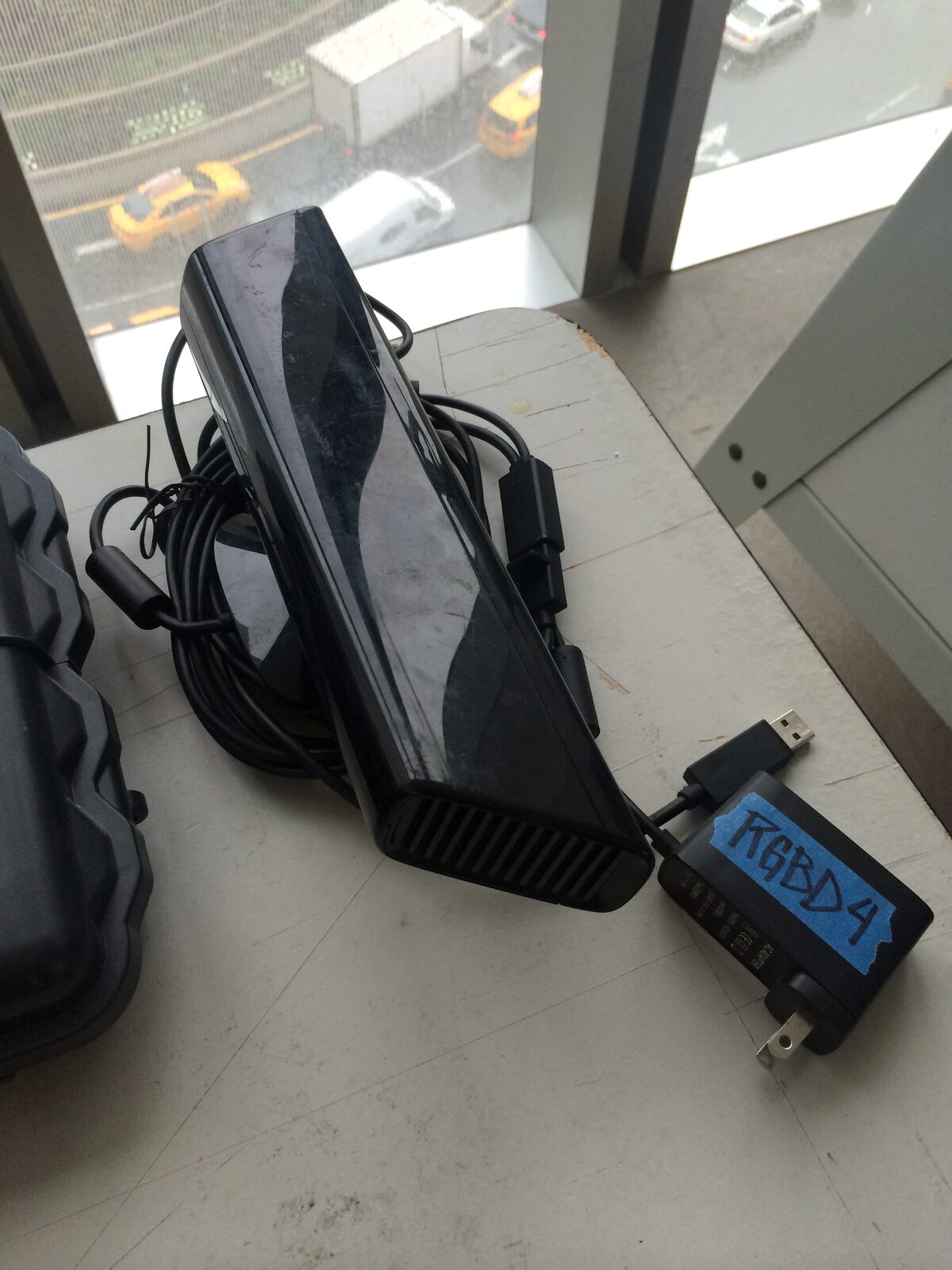
The workshop table held a deliberately unruly family of cameras: compact and action cameras, a digital microscope, a Kinect and PrimeSense sensors, rugged housings, adapters, and homemade Depthkit mounts. We used these devices as raw material. Participants handled them, hacked them, and adapted them before imagining what other kinds of cameras could exist.
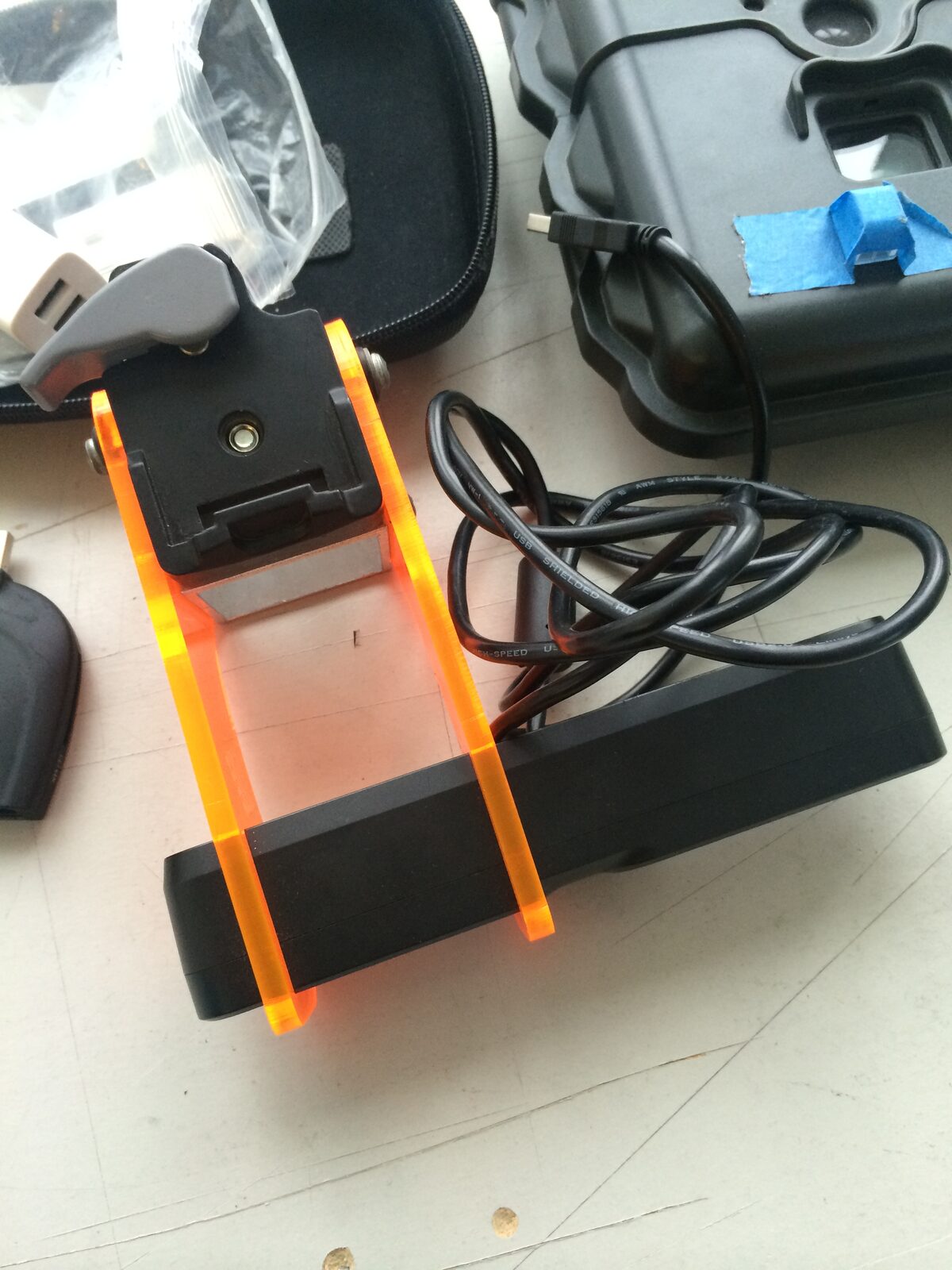
Workshop led by James George and Alexander Porter for Specular at the Museum of Arts and Design. Equipment photographs by Alexander Porter.
Participants walked through the city looking for embedded cameras, then returned to a bench of industrial, game, consumer, and homemade imaging devices. Each person chose a prompt: give an object sight, design a useless camera, or invent a camera for invisible things.
The prompts moved the camera out of the photographer’s hands and into doors, cars, toys, and sensors. Participants could then prototype the object, its field of view, and the behavior it would produce.
Workshop structure
Museum of Arts and Design, New York · November 1, 2014 · 11 a.m.–6 p.m.
What happens when everyday objects can see?
Imagine how hybrid cameras might be used and how they could alter everyday behavior.
Make camera-objects that give the idea a physical form.
Share the stories, relationships, and consequences each object could produce.
Towards a Virtual Reality · MAD research residency
A screening curated by Alexander Porter paired science-fiction films with corporate research and product demonstrations to trace imagined virtual worlds from 1935 to 2015.
An all-day workshop turned the cultural consequences of cameras embedded in everyday objects into prompts, speculative designs, and physical prototypes.
A public roundtable considered machine vision, images as data, creative misuse, computational cameras, and surveillance culture.
Specular
Co-Founder / Creative Director